Translate

Overview
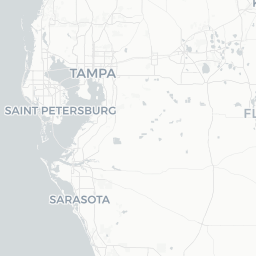
Madeira Beach is a small barrier island city on Florida's Gulf Coast, located in Pinellas County roughly 20 miles west of Tampa. With a full-time population of around 4,400 residents, it occupies a narrow strip of land between the Gulf of Mexico and Boca Ciega Bay, giving it shoreline access on two sides.
The city is best known for John's Pass Village & Boardwalk, a waterfront commercial district built around a tidal inlet that connects the bay to the Gulf. The area has a working waterfront character — fishing charter boats, dolphin-watching tours, and seafood restaurants sit alongside souvenir shops and water-sports outfitters. It remains one of the more visited spots on the Pinellas County coast.
The beach itself — often marketed as "Mad Beach" by locals — stretches along the Gulf side and features the fine white quartz sand typical of this part of the Florida Suncoast. The water is generally shallow and calm compared to Atlantic-facing beaches, making it popular with families. The city is compact enough to walk or cycle across, but most visitors use a car or the local Suncoast Beach Trolley.
Before You Go
Visas
Madeira Beach is in the United States. For visa and entry requirements, check TravelerPulse's Visas section and the official U.S. Customs and Border Protection website (cbp.gov). Requirements vary significantly by nationality.
Weather
Madeira Beach has a humid subtropical climate. Summers (June–September) are hot, humid, and bring the majority of annual rainfall, often as afternoon thunderstorms. The Gulf water is warmest during this period but afternoon lightning frequently ends beach sessions early. Hurricane season runs June 1 through November 30 — monitor the National Hurricane Center if traveling during this window. Winter (December–February) is mild with lower humidity; occasional cold fronts can bring chilly evenings and choppy water. Spring and autumn offer the most comfortable conditions for beach activities.
What to Pack
- Reef-safe sunscreen (strong UV even on overcast days)
- Lightweight, quick-dry clothing for summer; a light jacket for winter evenings
- Water shoes if you plan to wade into areas with shells or sea grass
- Insect repellent for dusk hours near the bay side
- Cash for smaller vendors and parking meters, though cards are widely accepted
Getting There
By Air
The nearest major airport is Tampa International Airport (TPA), approximately 25–30 miles east of Madeira Beach depending on the route. St. Pete–Clearwater International Airport (PIE) is closer — roughly 12–15 miles — and serves a number of domestic and some international routes. Verify current airline service at each airport, as routes change seasonally.
By Car
Most visitors arrive by car. From Tampa, take I-275 south to the Gandy Bridge area or continue to the Howard Frankland and pick up SR-694 west toward Pinellas County beaches. From St. Petersburg, Gulf Boulevard (SR-699) runs the length of the barrier island chain and passes directly through Madeira Beach. Parking in town is available at metered lots and the beach access points — fees and availability vary; verify locally or through the city's website.
By Public Transit
Pinellas Suncoast Transit Authority (PSTA) operates the Suncoast Beach Trolley, which runs along Gulf Boulevard connecting St. Pete Beach to Clearwater Beach and stopping in Madeira Beach. It is a practical option for those already on the beach strip but less convenient from Tampa. Verify current routes, hours, and fares at psta.net.
Getting Around
Madeira Beach is a very small city and much of it is walkable if you are staying near the beach or John's Pass. However, the barrier island geography means a car or bicycle is useful for moving between the Gulf side, the bay side, and neighboring beach towns.
The Suncoast Beach Trolley runs along Gulf Boulevard and is a reliable way to reach adjacent communities like Treasure Island to the south or Redington Shores to the north without dealing with parking. Bicycles and electric scooters can be rented locally — verify available outfitters upon arrival. Ride-share apps (Uber, Lyft) operate in the area, though wait times can be longer during peak season.
Parking near John's Pass and the main beach access areas fills quickly on weekends and holidays. Arriving early or using the trolley from a park-and-ride lot along the route is a practical alternative.
Things to See & Do
John's Pass Village & Boardwalk
This is the commercial and social hub of Madeira Beach. The boardwalk runs along John's Pass — a natural tidal inlet — and hosts fishing charter companies, dolphin and sightseeing tour boats, jet ski rentals, waterfront restaurants, and an eclectic mix of shops. It draws visitors throughout the day and tends to be lively on evenings and weekends.
Beach Activities
The Gulf-side beach offers swimming, sunbathing, and shelling. Water clarity and wave conditions vary by season and weather. Several outfitters near the beach rent paddleboards, kayaks, and other equipment — verify availability and rates locally. Surfing is not common on this stretch of coastline due to typically low wave height.
Fishing
Madeira Beach has a strong recreational and charter fishing culture. Inshore trips target species like snook, redfish, and flounder in the bay and passes; offshore charters target grouper, amberjack, and other Gulf species. Multiple charter operators work out of John's Pass — compare boats, trip lengths, and what's included before booking.
Dolphin Watching & Eco Tours
Several boat tour companies offer dolphin-watching excursions in the bay and around the pass. Bottlenose dolphins are commonly spotted year-round. Some operators combine dolphin tours with snorkeling stops at nearshore sandbars.
Nearby Nature
Boca Ciega Bay, which borders the city's east side, is part of a broader estuary system with mangroves, seagrass beds, and bird populations. Kayaking or paddleboarding through the bay-side areas provides a quieter contrast to the Gulf beach.
Food & Drink
Madeira Beach's food scene is centered largely on seafood and casual waterfront dining. John's Pass Village concentrates a number of restaurants within walking distance, ranging from counter-service fish and chips spots to sit-down waterfront restaurants. Gulf-caught grouper is a regional staple and appears on menus in multiple forms — grilled, fried, and in sandwiches.
Beyond John's Pass, Gulf Boulevard and the surrounding streets have a mix of independent restaurants, bars, and casual cafés serving the local and visitor population. The small-city scale means dining options are relatively limited compared to neighboring Clearwater or St. Petersburg, so it's worth having a backup plan on busy weekends when waits can be long.
The city has a lively beach bar culture. Several establishments near the water serve tropical drinks and cold beer in open-air settings. The legal drinking age in Florida is 21; valid ID is required. Note that Florida law generally prohibits open containers of alcohol on public streets — confirm specifics for any event or festival you attend.
Practical Information
Emergency Services
For emergencies, dial 911. Madeira Beach has its own police department. The nearest major hospital facilities are in the broader Pinellas County area — verify the closest emergency room to your accommodation upon arrival.
Connectivity
Cellular coverage from major U.S. carriers (Verizon, AT&T, T-Mobile) is generally reliable throughout Madeira Beach. Wi-Fi is available at most accommodations and many restaurants.
Money
US dollars are the only currency in use. ATMs are available at John's Pass and along Gulf Boulevard. Credit and debit cards are widely accepted, though some smaller vendors and parking meters may prefer cash.
Accessibility
The City of Madeira Beach provides beach wheelchair access at certain access points — verify current availability and any reservation requirements through the city's parks and recreation department. The boardwalk at John's Pass is largely flat but can be crowded.
Local Regulations
- Alcohol may be permitted on certain beach areas during designated events — check current city ordinances.
- Fires on the beach are generally prohibited unless in designated areas; verify locally.
- Florida requires fishing licenses for most recreational fishing — available through the Florida Fish and Wildlife Conservation Commission (myfwc.com).
Safety
Madeira Beach is generally considered a safe destination for travelers. As a tourist-oriented beach town, the main areas around John's Pass and the Gulf beach are well-trafficked during the day and early evening.
The primary safety considerations are environmental rather than criminal. Rip currents occur along Gulf beaches; swim near lifeguarded areas and pay attention to posted flag warnings. Red flags indicate dangerous conditions and swimming is discouraged or prohibited. Lightning is a serious and frequent hazard in summer — when thunderstorms approach, clear the water and open beach immediately. Sun exposure is intense year-round; sunburn can occur quickly even on partly cloudy days.
Jellyfish, stingrays, and other marine life are present in Gulf waters. Shuffle your feet when wading in shallow areas to avoid startling stingrays. Water quality conditions are periodically affected by red tide algal blooms — check current conditions through the Florida Fish and Wildlife Conservation Commission before swimming or fishing. As in any tourist area, keep valuables secured and be aware of your surroundings in crowded spaces.