Overview
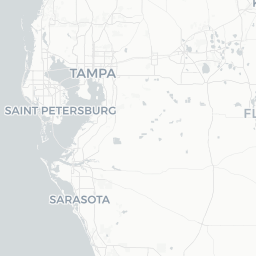
Treasure Island is a small barrier island city on Florida's Gulf Coast, situated in Pinellas County just west of St. Petersburg. With a resident population of under 7,000, it has the feel of a genuine beach town rather than a large resort destination — low-rise buildings, a walkable beach strip, and a pace of life oriented around the water.
The city sits on the Intracoastal Waterway to the east and the Gulf of Mexico to the west. Its beaches are broad and sandy, and the Gulf's typically calm, warm, shallow water makes it accessible for swimmers, paddleboarders, and families alike. Treasure Island shares a barrier island chain with Madeira Beach to the north and St. Pete Beach to the south, making it easy to explore multiple beach communities during a single stay.
The local economy is built around tourism and hospitality, but the town retains a neighborhood character that distinguishes it from more commercialized beach destinations. Visitors tend to come here specifically for beach time, fishing, water sports, and relaxed dining rather than nightlife or theme-park attractions.
Before You Go
Visas & Entry
Treasure Island is in the United States. Entry requirements depend on your nationality. Check TravelerPulse's Visas section and the official U.S. Customs and Border Protection website (cbp.gov) for current requirements before booking.
Weather
Florida's Gulf Coast has a subtropical climate. Summers (June–September) are hot and humid with frequent afternoon thunderstorms and the possibility of tropical storms or hurricanes. Winter (December–February) is mild and generally dry, with cooler evenings. Spring is widely considered the most comfortable season. The Atlantic hurricane season officially runs June 1 through November 30 — monitor NOAA forecasts if traveling during that period.
What to Pack
- Reef-safe sunscreen (Florida law has moved toward environmental protection of waterways)
- Light, breathable clothing year-round; a light layer for winter evenings
- Water shoes if you plan to wade or use boat launches
- Insect repellent for dusk hours near the Intracoastal side
Health
No unusual health requirements for domestic or international visitors. Verify your travel health insurance covers the U.S., where medical costs can be high without coverage.
Getting There
By Air
The nearest major airport is Tampa International Airport (TPA), approximately 18–25 miles from Treasure Island depending on traffic. It is served by numerous domestic and international carriers. St. Pete–Clearwater International Airport (PIE) is closer in distance and offers additional options, particularly on budget carriers.
From the Airport
Treasure Island has no direct public transit connection from either airport. Most visitors rent a car, take a rideshare (Uber and Lyft operate throughout the Tampa Bay area), or arrange a private shuttle. Verify current rideshare and taxi availability before travel, as wait times and pricing vary. Car rental desks are located at both airports.
By Road
Treasure Island is reached via the Treasure Island Causeway from St. Petersburg, or via connecting roads from Gulf Boulevard (CR 699), which runs the length of the barrier island chain. There is no commercial train or intercity bus service directly to Treasure Island.
Getting Around
Treasure Island is a small city and much of the beach area is walkable once you are based there. Gulf Boulevard runs north–south through town and connects to neighboring beach communities.
By car or bike: A car is the most practical option for exploring beyond the immediate beach strip. Bicycles are a popular and easy way to travel along the flat Gulf Boulevard corridor. Several bike rental shops operate in the area — verify current locations locally.
Suncoast Beach Trolley: The Pinellas Suncoast Transit Authority (PSTA) operates the Suncoast Beach Trolley along Gulf Boulevard, connecting Treasure Island with St. Pete Beach to the south and Clearwater Beach to the north. It is an inexpensive and environmentally friendly option for beach-hopping. Check PSTA's official website (psta.net) for current routes, schedules, and fares before you travel.
Rideshare: Uber and Lyft operate in the area and are useful for trips to St. Petersburg or the airports.
Where to Stay
Accommodation in Treasure Island ranges from small, independently operated motels and beach cottages to mid-size hotels and vacation rental condominiums. The city does not have large resort-brand properties, which contributes to its low-key character. Many visitors book condominiums or vacation homes, particularly for stays longer than a weekend.
Gulf-front properties command a premium and book well in advance for peak periods (spring break, summer, and holiday weekends). Properties on the Intracoastal side are generally less expensive and still offer water access, though without direct Gulf views.
Verify accommodation details, current pricing, and cancellation policies directly with the property or a reputable booking platform before confirming your reservation.
Things to See & Do
Beach Access
The city's primary draw is its Gulf-front beach, which runs nearly the full length of the island. Public beach access points are found throughout the city; Treasure Island Beach Park is a central hub with parking, restrooms, and picnic areas. Parking can fill quickly on weekends and in peak season — arriving early or using the trolley helps.
Water Sports & Fishing
Kayaking, paddleboarding, parasailing, and jet ski rentals are available from operators along the waterfront — verify current vendors locally. The Intracoastal Waterway side of the island is popular with kayakers who want calmer, more sheltered water. Fishing is a significant activity here: the Gulf, Boca Ciega Bay, and nearby piers offer opportunities for both casual and serious anglers. A Florida fishing license is required for most saltwater fishing; verify current requirements with the Florida Fish and Wildlife Conservation Commission (myfwc.com).
Sunsets
Gulf-facing sunsets are a daily ritual for visitors and locals alike. The open western horizon makes Treasure Island, like the rest of the Pinellas beach chain, an excellent vantage point for watching the sun set over the water.
Day Trips
- John's Pass Village & Boardwalk (Madeira Beach, immediately to the north): a historic fishing village with shops, restaurants, and boat tour operators
- Shell Key Preserve: an undeveloped barrier island accessible by kayak or ferry, popular for shelling and wildlife observation
- Downtown St. Petersburg: approximately 20–30 minutes by car; museums, restaurants, and cultural attractions
Food & Drink
Treasure Island's dining scene is small and centered on casual, beach-oriented fare. Seafood dominates menus, with grouper, shrimp, and fish tacos appearing widely. Gulf Boulevard and the immediate beachfront area have the highest concentration of restaurants and bars.
Expect a mix of waterfront tiki bars, family-style seafood restaurants, and casual American spots. Dress codes are almost universally relaxed — beach attire is the norm in most establishments. For a broader selection of restaurants, Downtown St. Petersburg is a short drive away and offers a much more diverse culinary landscape.
Grocery options within the city are limited given its size. Visitors staying in vacation rentals often stock up at larger supermarkets in St. Petersburg or the mainland before arrival. Verify current store locations locally.
Practical Information
Emergency Services
In any emergency in the United States, dial 911.
Money
Treasure Island operates on US dollars. Credit cards are accepted nearly everywhere. ATMs are available but limited in number given the city's size — plan accordingly or use machines at larger banks.
Connectivity
Mobile coverage (all major US carriers) is generally reliable throughout the area. Free Wi-Fi is available in many hotels and restaurants.
Parking
Parking near the beach fills quickly on busy days. Paid public parking lots are available near the beach park. Overflow parking areas and the beach trolley are useful alternatives on crowded days.
Accessibility
Beach wheelchairs are available through the city at no charge on a first-come, first-served basis — verify current availability and pickup locations with the City of Treasure Island (mytreasureisland.org) before your visit.
Useful Contacts
- City of Treasure Island official site: mytreasureisland.org
- PSTA (Beach Trolley): psta.net
- Florida Fish & Wildlife (fishing licenses): myfwc.com
Safety
Treasure Island is generally considered a safe destination for travelers. As with any beach environment, be aware of the following:
- Rip currents: These are a real hazard on Gulf Coast beaches. Check posted flag warnings before entering the water. Red or double-red flags indicate dangerous conditions and swimming may be prohibited. Learn to identify and escape rip currents before your trip.
- Sun exposure: The subtropical sun is intense year-round. Sunburn can occur quickly, even on overcast days. Use sunscreen consistently and stay hydrated.
- Wildlife: Stingrays rest on the sandy bottom in shallow water — shuffle your feet when wading to avoid stepping on one. Jellyfish can also be present seasonally. Observe any posted warnings.
- Hurricane season: If traveling June through November, monitor National Hurricane Center (nhc.noaa.gov) updates and know your accommodation's evacuation and refund policies in advance.
- Petty theft: As at any beach destination, do not leave valuables unattended on the beach or visible in parked vehicles.