Overview
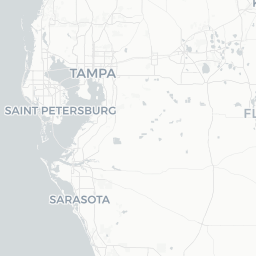
Pinellas Park is a mid-sized city in Pinellas County, Florida, sitting roughly in the center of the peninsula that separates Tampa Bay from the Gulf of Mexico. With a population of around 52,000, it occupies a practical middle ground between the urban energy of St. Petersburg to the south and the Clearwater corridor to the north.
The city is not a conventional tourist destination, but it rewards visitors who are passing through the Tampa Bay region with a few genuinely distinctive draws: a nationally recognized antique district along Park Boulevard, a working motorsports complex, and a network of accessible community parks. Most travelers encounter Pinellas Park as part of a broader Pinellas County itinerary rather than as a standalone trip.
Because it is so thoroughly integrated into the county's road network, Pinellas Park functions well as a base of operations. Gulf Coast beaches at Treasure Island, Madeira Beach, and St. Pete Beach are reachable in under 30 minutes by car, and the cultural amenities of downtown St. Petersburg are similarly close. Visitors who lean into the city's unpretentious, workaday character tend to appreciate it more than those expecting resort-style polish.
Before You Go
Climate
Pinellas Park has a humid subtropical climate. Summers (June–September) are hot and humid, with afternoon thunderstorms occurring almost daily. Temperatures regularly reach the low-to-mid 90s °F (around 33–35 °C). Winters are mild, with daytime highs typically in the 60s–70s °F (around 18–24 °C) and occasional cooler snaps. The October-to-April window is generally the most comfortable for outdoor activity.
Hurricane Season
The Atlantic hurricane season runs June 1 through November 30. Pinellas County sits on a low-lying peninsula and has historically been considered one of the higher-risk areas in Florida for storm surge. If you are visiting during this period, monitor the National Hurricane Center's forecasts (nhc.noaa.gov) and know your accommodation's emergency plan.
Visas
Entry requirements depend on your nationality. For general guidance, visit TravelerPulse's Visas section and check the official website of U.S. Customs and Border Protection (cbp.gov) or the U.S. embassy or consulate in your home country.
Practical Prep
- Bring or rent a car; public transit coverage is limited in Pinellas Park compared to larger cities.
- Sunscreen and insect repellent are genuinely necessary here, not just recommended.
- Most businesses accept major credit and debit cards; cash is rarely required but useful at smaller antique vendors and flea market stalls.
Getting There
By Air
Tampa International Airport (TPA) is the primary regional hub, located approximately 12–15 miles east of Pinellas Park. It is well-served by domestic and select international routes. St. Pete–Clearwater International Airport (PIE) is closer — roughly 6–8 miles north — and handles a smaller number of routes, primarily domestic and charter flights. Verify current carriers and schedules on each airport's official website.
By Road
Pinellas Park is easily reached via I-275, which connects it to Tampa to the east (via the Howard Frankland Bridge) and to St. Petersburg to the south. U.S. Route 19 and State Road 686 (Park Boulevard) are the main local arterials through the city. Driving remains the most practical way to arrive and get around.
By Bus
Greyhound and FlixBus serve the broader Tampa Bay area. The nearest major intercity bus terminals are in Tampa and St. Petersburg; verify current stop locations directly with carriers before travel.
By Rail
There is no Amtrak station in Pinellas Park. The closest Amtrak service is Tampa Union Station, accessible by car or connecting bus. Pinellas County does not currently have commuter rail.
Getting Around
A personal vehicle or rental car is by far the most practical way to navigate Pinellas Park. The city's layout is suburban and spread out, with wide arterial roads designed around automobile travel.
Pinellas Suncoast Transit Authority (PSTA) operates bus routes throughout the county, including service along some of Pinellas Park's main corridors. Route coverage and frequency may not be sufficient for all traveler needs; check psta.net for current maps and schedules.
Rideshare services (Uber, Lyft) are available and generally reliable for shorter trips within the city and to neighboring communities. Taxis exist but are less common.
Cycling is possible on some roads and paths, but Pinellas Park is not a particularly bike-friendly urban environment for general navigation. The Pinellas Trail, a paved multi-use path running the length of the county, does pass through the area and is useful for recreational riding.
Things to See & Do
Antique District
Pinellas Park's most distinctive attraction for visitors is its concentration of antique shops and dealers along Park Boulevard and surrounding streets. Often referred to locally as the Antique District, this stretch is one of the larger antique retail clusters in the Tampa Bay region. Shops vary widely in specialty, from mid-century American furniture to vintage jewelry to collectibles. Hours and individual shop inventories change frequently; visiting on a weekend typically ensures more businesses are open.
Showtime Raceway
Pinellas Park is home to a motorsports facility that has hosted various racing events over the years. If motorsports are of interest, verify the current event calendar directly with the facility before planning a visit around a specific event.
Helen Howarth Park and Community Parks
The city maintains a system of community parks that are well-kept and useful for families. Helen Howarth Park is one of the more frequently referenced, featuring open green space and recreational facilities. These parks are most valuable as places to spend a relaxed hour rather than as destination attractions in their own right.
Proximity to Gulf Beaches
Pinellas Park's strongest draw for many visitors is its location. Gulf-front beaches — including Treasure Island, Madeira Beach, and St. Pete Beach — are reachable in under 30 minutes by car. These beaches are the reason many travelers choose to base themselves in Pinellas Park, where accommodation costs can be lower than beachside properties.
Local Events and Flea Markets
The city hosts various community events throughout the year, and there are flea markets in the broader area. Verify current schedules locally or through the City of Pinellas Park's official website.
Food & Drink
Pinellas Park's dining scene is casual and locally oriented rather than destination-driven. The city has a solid selection of independent restaurants, diners, and family-run establishments alongside national chains. Cuban and Latin American food has a meaningful presence in the broader Tampa Bay region, and you will find a number of spots reflecting this in and around Pinellas Park.
Park Boulevard and U.S. 19 are the main commercial corridors where most restaurants are concentrated. Seafood is widely available given the city's proximity to the Gulf, though for the most celebrated seafood options, travelers typically head toward the beach communities or downtown St. Petersburg.
Craft beer culture has grown significantly in Pinellas County; several breweries operate within a short drive. Verify current establishments and hours locally, as this segment of the market has seen frequent openings and closures in recent years.
Grocery stores and supermarkets are plentiful and easy to access if you are staying in self-catering accommodation.
Shopping
The antique district along Park Boulevard is the most distinctive shopping experience in Pinellas Park and is worth planning time around if antiques, vintage goods, or collectibles interest you. Individual dealers range from polished showrooms to dense, eclectic shops where browsing takes time.
For everyday retail, the city has standard American suburban shopping options including strip malls and big-box stores along its main arterials. More curated or boutique retail tends to be found in neighboring St. Petersburg, particularly in the Central Avenue and Warehouse Arts District corridors.
Flea markets in the area can yield interesting finds and are a staple of local commercial culture in this part of Florida; verify current locations and operating days before visiting.
Practical Information
Emergency Services
In any emergency in the United States, dial 911. This connects you to police, fire, and medical services.
Healthcare
Pinellas County has hospital and urgent care facilities. For non-emergency medical needs, urgent care clinics are distributed across the county's main corridors. Verify locations and hours locally or through a mapping application.
Money
ATMs are widely available at bank branches, grocery stores, and gas stations. Most businesses accept Visa, Mastercard, and American Express. Smaller antique vendors or flea market stalls may prefer or require cash.
Connectivity
Wi-Fi is available at most hotels, many cafes, and public libraries. Cellular coverage from major U.S. carriers is reliable throughout Pinellas Park.
Tipping
Tipping is standard practice in the United States. Restaurant servers typically expect 18–20% of the pre-tax bill. Tip expectations also apply to rideshare drivers, hotel housekeeping, and other service workers.
Safety
Pinellas Park is generally considered a safe, ordinary suburban city. Standard urban precautions apply: be aware of your surroundings, secure valuables in your vehicle out of sight, and avoid leaving belongings unattended.
Traffic safety deserves particular attention. U.S. 19 and other major arterials can be busy and fast-moving; pedestrian infrastructure is inconsistent in places. Exercise caution when crossing roads on foot.
During summer, heat and humidity pose genuine health risks. Hydration and sun protection are not optional considerations. If you are unaccustomed to Florida's summer conditions, limit outdoor exposure during peak afternoon hours.
For current, localized safety information, consult the Pinellas Park Police Department's public communications or the City of Pinellas Park's official website.