Overview
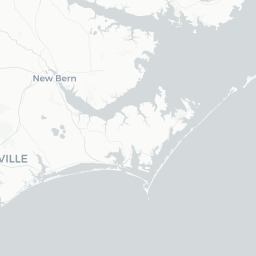
Belville is a small incorporated town in Brunswick County, North Carolina, situated along the northeastern edge of the county near the Cape Fear River. With a population of roughly 1,900 residents, it functions primarily as a quiet residential community rather than a conventional tourist destination.
The town sits just across the river from Wilmington, making it geographically convenient for visitors exploring the greater Cape Fear region. Its setting among tidal creeks, river views, and coastal plain landscapes gives it a low-key, unhurried character typical of small Brunswick County communities.
Most travelers encounter Belville as a pass-through point or a base for exploring nearby Leland, Wilmington, and the Brunswick County beaches. Visitors looking for a slower pace away from the bustle of Wilmington's downtown may find its riverside surroundings appealing.
Getting There
By Air
The closest commercial airport is Wilmington International Airport (ILM), located roughly 10–12 miles northeast of Belville across the Cape Fear River. It offers regional connections to several major hub airports. Verify current routes and schedules directly with the airport or your airline.
By Car
Belville is accessible via US-17 and NC-133, which connect it to Leland and the broader Brunswick County road network. The Cape Fear Memorial Bridge (US-17/74/76) links the area to Wilmington across the river. A personal vehicle or rental car is the most practical way to reach and move around Belville.
By Bus
Verify current public transit options with the Brunswick Transit System and Wave Transit (which serves the Wilmington area), as schedules and coverage can change. Service to small communities like Belville may be limited.
Getting Around
Belville itself is a compact town most easily navigated by car. There are no dedicated local transit routes within the town, and walking or cycling between points of interest is only practical for short distances.
Rideshare services such as Uber and Lyft operate in the greater Wilmington–Brunswick County area; availability in Belville specifically may be lower than in Wilmington proper, so verify before relying on them. Renting a car from Wilmington International Airport is the most reliable option for independent exploration of the region.
Where to Stay
Belville does not have a significant hotel or lodging infrastructure of its own. Travelers typically stay in neighboring Leland, which has chain hotel options along the US-17 commercial corridor, or cross into Wilmington for a wider range of accommodation types including boutique hotels, chain properties, and short-term rentals.
Short-term rental platforms may list residential properties in or near Belville; verify listings carefully for accuracy and proximity to your intended activities. Booking accommodation in Wilmington gives the most flexibility for dining, entertainment, and transportation.
Things to See & Do
Belville's main draw is its natural riverside setting. The town has a riverfront park area along the Cape Fear River where residents and visitors can enjoy water views, and the broader Brunswick County waterway network is attractive to boating and fishing enthusiasts. Verify current public access points and park facilities locally before visiting.
- Cape Fear River access: Scenic river views and potential boat launch access; confirm current public facilities locally.
- Cycling and walking: The relatively flat terrain of the area suits casual cycling, though dedicated trails within Belville are limited. The nearby Leland area has developing greenway infrastructure — verify current trail status with Brunswick County Parks and Recreation.
- Day trips: The town's proximity to Wilmington, the Brunswick County beaches, and the Lower Cape Fear region makes it a convenient hub for exploring the wider area rather than a standalone destination.
For most visitors, Belville is best treated as a quiet base or stopover rather than a destination with its own extensive activity roster.
Food & Drink
Belville has limited dining options of its own given its small population. The neighboring town of Leland, which has grown substantially in recent years, offers a broader range of restaurants and grocery options along the US-17 corridor.
For a wider dining selection — including seafood restaurants, breweries, and diverse cuisine — Wilmington is easily reached across the Cape Fear Memorial Bridge. The Port City's dining scene is well developed and accessible within a 15–20 minute drive under normal traffic conditions.
Verify specific restaurant hours and availability locally, as businesses in small communities can change. Stocking up on groceries and supplies in Leland or Wilmington before settling in is advisable.
Practical Information
Emergency Services
For emergencies anywhere in the United States, dial 911. Brunswick County Sheriff's Office provides law enforcement coverage for the area; verify non-emergency contact numbers through official Brunswick County government channels.
Medical
The nearest significant hospital facilities are in the Wilmington area. Verify the closest urgent care clinics or emergency rooms locally before your trip.
Connectivity
Cell service from major US carriers is generally available in Belville. Wi-Fi is standard in most lodging options in the broader area.
Visas
Belville, like all US destinations, falls under US federal immigration rules. For visa requirements specific to your nationality, check TravelerPulse's Visas section and the official US Customs and Border Protection website (cbp.gov) or the US Department of State (travel.state.gov).
Safety
Belville is a small residential community and is generally considered quiet and low-key. As with any travel, standard precautions apply: be aware of your surroundings, secure valuables in your vehicle, and avoid leaving belongings visible in parked cars.
The Cape Fear River and surrounding tidal waterways deserve respect — water conditions, currents, and weather can change. If boating or engaging in water activities, follow all US Coast Guard safety guidelines and check local weather forecasts. Hurricane season runs from June through November; monitor NOAA weather updates if visiting during this period, as the North Carolina coast can be affected by tropical systems.