Translate
Overview
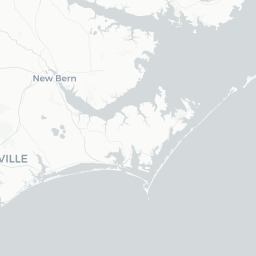
Masonboro is a small coastal community in New Hanover County, North Carolina, situated just south of Wilmington along the Intracoastal Waterway. With a population of roughly 15,000, it functions largely as a residential suburb rather than a traditional tourist destination, but its location places it within easy reach of some of the region's most compelling natural and cultural attractions.
The community sits adjacent to Masonboro Island, a roughly 8-mile barrier island that forms the largest undisturbed barrier island estuary in the state and is protected as part of the North Carolina National Estuarine Research Reserve. This proximity to protected natural land gives Masonboro a quiet, nature-oriented character that distinguishes it from the more commercial beach towns nearby.
Most visitors come to Masonboro as part of a broader trip to the greater Wilmington area, using it as a quieter base or passing through en route to Wrightsville Beach, Carolina Beach, or downtown Wilmington. Travelers looking for an uncrowded coastal experience with ready access to wildlife, waterways, and water sports will find it a worthwhile stop.
Before You Go
Masonboro is part of the greater Wilmington metro area, so most practical trip planning applies at that regional level. Confirm lodging, rental equipment, and boat access arrangements in advance, particularly during summer months when demand along the Cape Fear coast is highest.
Visas
Masonboro is in the United States. For visa and entry requirements, check TravelerPulse's Visas section and the official US Customs and Border Protection website. Requirements vary significantly by nationality.
Weather
The area has a humid subtropical climate. Summers (June–August) are hot and humid with temperatures frequently above 90°F (32°C) and a higher risk of afternoon thunderstorms and, occasionally, tropical storms or hurricanes. Spring and fall offer more comfortable conditions. Winters are mild but can bring occasional freezing temperatures. Monitor the National Hurricane Center during Atlantic hurricane season (June 1–November 30).
- Pack: Sunscreen, insect repellent, and water shoes are practical for any outdoor activity here
- Hurricane season: Have a plan and monitor weather forecasts closely if visiting June through November
Getting There
The nearest commercial airport is Wilmington International Airport (ILM), located a short drive north of Masonboro. The airport is served by several major US carriers with direct connections to east coast hubs; verify current routes and schedules directly with airlines or on the airport's official site.
By car, Masonboro is accessible via US-17 (the Market Street/Carolina Beach Road corridor) and is roughly a 15–20 minute drive from downtown Wilmington depending on traffic. There is no passenger rail or intercity bus service that stops in Masonboro itself; travelers arriving by Amtrak or bus will disembark in Wilmington and need ground transportation for the final leg.
If your primary goal is reaching Masonboro Island Reserve, note that the island has no road access — boat or kayak is the only way to get there. Several outfitters in the Wilmington and Wrightsville Beach areas offer rentals and guided tours; verify availability and current operators locally.
Getting Around
A personal vehicle is strongly recommended in Masonboro. The area is primarily residential and lacks the walkable commercial cores or transit infrastructure found in larger cities. Ride-share services (Uber, Lyft) operate in the greater Wilmington area and can generally reach Masonboro, but availability may be limited late at night or during peak periods.
For water-based travel — especially to Masonboro Island — kayaks, canoes, and small motorboats are the practical options. Paddling from the nearest public boat ramps is a popular approach; check current access points and parking availability with New Hanover County or the NC Coastal Reserve before your visit.
Things to See & Do
Masonboro Island Reserve
The centerpiece natural attraction is Masonboro Island, a barrier island accessible only by water. The island offers undeveloped beaches, birding, shelling, and wildlife observation including loggerhead sea turtle nesting sites (nests are marked and protected — observe from a respectful distance). The island is managed by the NC Coastal Reserve and National Estuarine Research Reserve; check their official site for any current access guidelines.
Water Sports and Paddling
Kayaking and paddleboarding through the tidal creeks and marshes surrounding Masonboro are popular activities. The Intracoastal Waterway passes through the area, offering routes for small watercraft. Several outfitters in nearby Wrightsville Beach offer rentals and guided paddling tours — verify current operators and pricing locally.
Fishing
Inshore fishing for red drum, flounder, speckled trout, and other species is a draw for anglers. A valid North Carolina fishing license is required; check the NC Wildlife Resources Commission's official site for current requirements and regulations.
Proximity to Wrightsville Beach and Carolina Beach
Both barrier island beaches are a short drive from Masonboro and offer public beach access, surf shops, restaurants, and summer beach amenities. They are practical day-trip destinations for Masonboro-based visitors.
Wildlife Observation
The salt marshes, tidal flats, and maritime shrub habitat around Masonboro support a variety of shorebirds, wading birds, and migratory species. Bottlenose dolphins are frequently spotted in local waterways.
Food & Drink
Masonboro itself is a residential community with limited standalone dining options. Most restaurants serving the area are located along the nearby Carolina Beach Road corridor, in Wilmington proper, or at Wrightsville Beach — all within a short drive.
The greater Wilmington area has a well-developed dining scene featuring fresh local seafood — shrimp, oysters, and fish sourced from local waters are common on menus. Wrightsville Beach and Carolina Beach have clusters of casual seafood spots, waterfront restaurants, and beach bars. Downtown Wilmington, about 15–20 minutes north, offers the broadest range of dining styles and price points.
Verify current restaurant hours and availability locally, as smaller establishments in coastal communities can have seasonal schedules.
Practical Information
Emergency Services
For any emergency in the United States, dial 911. This connects to police, fire, and emergency medical services.
Health
The nearest hospitals and urgent care facilities are in Wilmington. Confirm the location of the nearest facility appropriate to your needs before your trip, particularly if you plan water-based or outdoor activities.
Connectivity
Mobile coverage from major US carriers is generally reliable in the Masonboro area. Note that Masonboro Island itself is undeveloped — do not count on consistent cell service there.
Sun and Heat
Coastal sun and reflected glare off water can cause rapid sunburn. Use high-SPF sunscreen, reapply frequently, and carry sufficient drinking water for any extended outdoor activity.
Tides and Water Safety
Tidal currents in the Intracoastal Waterway and surrounding creeks can be strong. Check local tide tables before paddling or boating and ensure all members of your group have appropriate personal flotation devices. Water conditions can change quickly.
Safety
Masonboro is a quiet residential area with no particular crime concerns beyond those applicable to any suburban coastal community. Standard travel precautions apply: secure valuables in your vehicle out of sight, be aware of your surroundings, and lock accommodations.
The primary safety considerations here are environmental. Jellyfish (including Portuguese man-o-war after storms), stingrays (shuffle your feet in shallow water), and biting insects are common seasonal hazards on the coast. Rip currents are a risk at nearby ocean beaches — swim only at lifeguarded areas when possible and follow posted flags and instructions.
Hurricane and tropical storm risk is real from June through November. Monitor the National Hurricane Center and local emergency management channels (New Hanover County) for updated guidance if severe weather threatens during your visit.