Translate
Overview
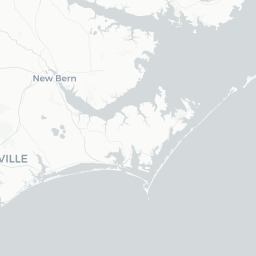
Ogden is a small unincorporated community in New Hanover County, situated just north of Wilmington along the North Carolina coast. With a population of roughly 6,700, it functions primarily as a residential suburb rather than a standalone tourist destination, but its location makes it a practical and often overlooked base for exploring the greater Cape Fear region.
Visitors who find themselves in Ogden are typically here for its convenience — it sits close to major roadways connecting Wilmington's urban amenities with the beaches of Wrightsville and Figure Eight Island. The surrounding area reflects the Low Country character of coastal North Carolina: flat terrain, mature pines, and a relaxed pace of life.
Because Ogden lacks its own distinct commercial core, most dining, shopping, and entertainment is accessed in neighboring Wilmington or at the nearby beach communities. Think of Ogden less as a destination and more as a comfortable launching point for the region.
Getting There
By Air
Wilmington International Airport (ILM) is the closest commercial airport, located just a short drive south of Ogden. It is served by several major U.S. carriers with connections through regional hubs. Verify current routes and schedules directly with airlines or on the airport's official website before booking.
By Car
Ogden is easily reached via US-17 (Market Street), one of the primary arterial roads running through New Hanover County. From Interstate 40, travelers can follow signs toward Wilmington and then head north on US-17. A personal vehicle is strongly recommended, as the community is not well served by public transit.
By Bus
Wave Transit, Wilmington's public bus system, serves parts of the greater Wilmington area. Coverage in Ogden itself is limited; verify current routes and stops at the official Wave Transit website before relying on this option.
Getting Around
A personal vehicle is essentially required to navigate Ogden and the surrounding area comfortably. Roads are suburban in character — wide, well-maintained, and oriented around car travel. Ride-hailing services such as Uber and Lyft operate in the greater Wilmington area and can provide coverage in Ogden, though availability may vary by time of day.
For those staying here while visiting Wrightsville Beach, the drive is typically under 15 minutes depending on traffic and your exact starting point. Market Street (US-17) is the main commercial corridor you will use for most errands and dining.
Where to Stay
Ogden itself has limited dedicated lodging. Most visitors choose to stay along the US-17 corridor near Wilmington, where a range of national chain hotels is available, or opt for vacation rental properties (available through platforms such as Vrbo and Airbnb) that offer more flexibility for families or groups.
Wrightsville Beach, a short drive away, also has rental cottages and some hotel options that put guests directly on the water. Booking well in advance is advisable if traveling between Memorial Day and Labor Day, as demand in this region peaks sharply in summer.
Things to See & Do
Ogden itself does not have a concentration of traditional tourist attractions, but the surrounding area offers a range of activities for most interests.
Nearby Natural and Outdoor Attractions
- Ogden Park — A New Hanover County park offering athletic fields, walking areas, and open green space. Good for a morning walk or picnic; verify current facilities and hours with New Hanover County Parks.
- Wrightsville Beach — One of North Carolina's most popular barrier island beaches, accessible within a short drive. Swimming, kayaking, paddleboarding, and fishing are common activities.
- Figure Eight Island — A quiet, primarily residential barrier island north of Ogden; public beach access is very limited, but the drive along the causeway offers scenic coastal views.
- Airlie Gardens — A historic ornamental garden in nearby Wilmington, known for its centuries-old live oaks and seasonal blooms. Verify admission fees and hours on the official site.
Culture and History (in Wilmington)
Downtown Wilmington, roughly 10–15 minutes south, offers museums, historic riverfront walking, and the Bellamy Mansion Museum, among other cultural sites. These are the practical draw for visitors based in Ogden.
Food & Drink
Ogden does not have a restaurant district of its own, but Market Street (US-17) running through and adjacent to the community is lined with a broad mix of chain restaurants, fast-casual options, and locally owned spots common to the greater Wilmington suburbs.
For more distinctive dining — seafood-focused restaurants, craft breweries, farm-to-table spots — visitors should head into downtown Wilmington or to the Wrightsville Beach area, both of which have active food scenes. North Carolina's coast is well known for fresh local seafood including shrimp, flounder, and blue crab; look for restaurants that source locally.
Grocery stores and supermarkets are present along the Market Street corridor, making self-catering straightforward for those staying in rental accommodations.
Practical Information
Visas and Entry
Ogden is located in the United States. Entry requirements vary by nationality. For accurate, up-to-date visa information, visit TravelerPulse's Visas section and check with the U.S. Citizenship and Immigration Services (USCIS) or your nearest U.S. embassy or consulate.
Money
The US Dollar is the only currency used. ATMs are available along the Market Street corridor. Major credit cards are accepted virtually everywhere.
Climate
Ogden has a humid subtropical climate. Summers (June–August) are hot and humid, with temperatures commonly in the upper 80s°F (low 30s°C). Winters are mild by Northeast standards but can bring occasional cold snaps. Hurricane season runs June through November; monitor NOAA advisories if traveling in late summer or fall.
Connectivity
Cellular coverage from major U.S. carriers is reliable throughout the area. Wi-Fi is widely available at accommodations and most commercial establishments.
Emergency Services
In any emergency in the United States, dial 911.
Safety
Ogden is a low-key suburban community and is generally considered safe for visitors. Standard precautions applicable to any suburban U.S. area apply: keep vehicles locked, do not leave valuables visible, and be aware of your surroundings.
If visiting beaches, pay attention to posted water safety flags and lifeguard instructions, particularly at Wrightsville Beach. Rip currents are a real hazard along North Carolina's coast. During hurricane season, monitor National Weather Service updates and have a clear understanding of local evacuation routes before a storm approaches.