Traduction


Overview
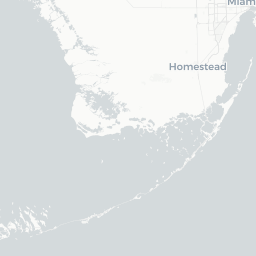
Key Largo is the northernmost and largest island in the Florida Keys, connected to the mainland by the Overseas Highway (US-1) roughly an hour south of Miami. With a permanent population of around 10,000, it functions more as a small resort town than a traditional city — strip malls, marinas, and dive shops line the highway, while the water dominates daily life on both the Atlantic and Florida Bay sides.
The island's primary draw is access to the Florida Keys National Marine Sanctuary and, more specifically, John Pennekamp Coral Reef State Park — the first undersea park established in the United States. The offshore reef system here is part of the third-largest barrier reef in the world, making Key Largo a genuine destination for divers and snorkelers rather than simply a stopover.
Beyond the water, Key Largo has a relaxed, unpretentious character. Visitors come to fish, kayak through mangrove tunnels, watch sunsets over Florida Bay, and eat fresh seafood. It lacks the nightlife and cultural density of Key West, and most visitors embrace that quieter pace.
Before You Go
Visas
Key Largo is in the United States. For visa and entry requirements, check TravelerPulse's Visas section and the official US Customs and Border Protection website (cbp.gov) for current rules applicable to your nationality.
When to Go
- December–April (peak/dry season): The most comfortable weather, lower humidity, clearest water visibility, and calmer winds. Book accommodations and dive charters well in advance, especially around the holidays and spring break.
- May–July: Warm and increasingly humid; water temperatures are pleasant for swimming. Shoulder season prices can apply early in this window.
- August–October: Hurricane season. Afternoon thunderstorms are frequent, and the risk of tropical storms is real. Travel insurance is strongly advised. Some businesses run reduced hours.
- November: Transitional month; crowds thin and weather begins to moderate.
What to Pack
- Reef-safe sunscreen (Florida law and marine sanctuary guidelines strongly discourage oxybenzone- and octinoxate-containing sunscreens near the reef)
- Lightweight, quick-dry clothing
- Rash guard or UV-protective swim shirt
- Insect repellent, especially for mangrove kayaking at dusk
- Water shoes for boat entry and reef walking areas
Getting There
By Air
The nearest major airport is Miami International Airport (MIA), approximately 55–65 miles north of Key Largo. Fort Lauderdale-Hollywood International (FLL) is also a viable option, though slightly farther. From either airport, Key Largo is reachable by rental car via the Florida Turnpike and Card Sound Road (toll) or US-1. Verify current toll rates and road conditions before travel.
Key West International Airport (EYW) serves the lower Keys and is about 100 miles southwest — better as a destination airport than a starting point for Key Largo.
By Car
Driving is the standard way to reach Key Largo. US-1 (the Overseas Highway) is the only through road in the Keys; traffic can be heavy on Friday afternoons and Sunday evenings as Miami-area residents head down or return. Allow extra time during holiday weekends. There is no direct interstate access — the Florida Turnpike ends at Florida City, after which travelers join US-1.
By Bus
Florida Keys Shuttle and Greyhound offer shared-ride and bus services from Miami and the mainland to the Keys. Verify current schedules and stops directly with operators before travel, as service frequency changes seasonally.
Getting Around
Key Largo is a linear community strung along US-1 for roughly 30 miles. A personal vehicle or rental car is the most practical way to get around — public transit is minimal, and the distances between attractions, marinas, and restaurants are too large for comfortable walking.
Bicycling is possible on some stretches with a shoulder lane, but US-1 traffic moves fast and conditions vary; dedicated bike paths are limited. Visitors focused on water activities will find that most dive shops, fishing charters, and kayak outfitters provide boat-based transportation to their sites once you reach their dock.
Ride-share apps (Uber, Lyft) do operate in Key Largo but coverage can be inconsistent compared to urban areas — verify availability if you plan to rely on them.
Where to Stay
Key Largo accommodations range from large resort-style properties with full dive amenities to smaller motels, vacation rental homes, and campgrounds. Many properties are oriented toward the water and include boat docks, which matters if you plan to arrive by private vessel.
Vacation rental platforms list a significant number of homes and condos — these can be cost-effective for families or groups and often offer more kitchen space than hotel rooms. During peak season (December–April), and especially around holiday weekends and spring break, availability tightens substantially and advance booking is important.
John Pennekamp Coral Reef State Park has a campground with tent and RV sites. Reserve through the state parks reservation system (reserve.floridastateparks.org) as sites fill quickly in season.
Budget travelers will find that Key Largo is not the cheapest destination in Florida — the combination of location, demand, and limited inventory keeps rates elevated compared to the mainland. Verify current pricing directly with properties or booking platforms.
Things to See & Do
John Pennekamp Coral Reef State Park
This is Key Largo's signature attraction. The park protects roughly 70 nautical square miles of coral reefs, seagrass beds, and mangrove swamps. Activities include snorkel and scuba diving tours to the reef, glass-bottom boat tours, kayaking, paddleboarding, and swimming at the park's small beach. The famous nine-foot-tall submerged Christ of the Abyss statue is a popular dive and snorkel site within the park. Admission fees and tour prices apply; verify current rates at the Florida State Parks website (floridastateparks.org).
Diving and Snorkeling
Key Largo has one of the highest concentrations of dive operators in the continental United States. Reef systems including Molasses Reef, French Reef, and the Elbow are accessible for both beginners and experienced divers. Several operators offer PADI certification courses. Conditions and visibility vary by season and weather — morning trips typically offer calmer seas.
Sport Fishing
Both offshore (mahi-mahi, sailfish, tuna) and backcountry fishing (tarpon, bonefish, permit) are popular. Numerous licensed charter captains operate from local marinas. Visitors should ensure they have the appropriate Florida fishing license; verify requirements at myfwc.com.
Kayaking and Paddleboarding
Mangrove kayaking through Florida Bay is a quieter alternative to reef activities. Several outfitters rent equipment and lead guided tours through the backcountry waterways. This is also good birdwatching territory — herons, ospreys, and roseate spoonbills are commonly spotted.
African Queen
The original steamboat used in the 1951 Humphrey Bogart and Katharine Hepburn film is docked at a marina in Key Largo and offers canal cruise excursions. Verify current operating status and hours locally before visiting.
Dolphins and Wildlife
Robbie's of Islamorada (just south of Key Largo) is widely known for its tarpon feeding experience and is worth the short drive.
Food & Drink
Key Largo's dining scene is casual and centers on fresh local seafood. Stone crab (in season roughly October through May), Florida lobster (spiny lobster, August through March), grouper, and yellowtail snapper are menu staples at most waterfront restaurants. Expect a laid-back, shorts-and-flip-flops atmosphere at the majority of establishments.
US-1 is the main spine for restaurants, ranging from roadside fish shacks to sit-down waterfront spots. Prices trend slightly higher than mainland Florida given the island's logistics, particularly at waterfront venues. Happy hour culture is strong in the Keys — most bars and many restaurants offer afternoon specials.
Grocery options exist along US-1 for self-catering, which can be practical for visitors staying in vacation rentals. Specialty items and organic foods may be limited; stock up in Florida City or Homestead if needed.
Practical Information
Emergency Services
In any emergency in the United States, dial 911.
Money
Most businesses accept major credit cards. ATMs are available along US-1. Cash is still useful for smaller vendors, boat captains, and tips.
Connectivity
Cell service from major US carriers (Verizon, AT&T, T-Mobile) is generally reliable along US-1 and at populated areas. Coverage can drop in more remote backcountry water areas.
Fuel
Gas stations exist along US-1 but prices in the Keys typically run higher than the mainland. Fill up before heading south if cost is a concern.
Marine Sanctuary Rules
The Florida Keys National Marine Sanctuary has regulations protecting the reef ecosystem. Anchoring on coral is prohibited, and specific no-take zones exist. If you plan to dive, fish, or boat, familiarize yourself with sanctuary rules at floridakeys.noaa.gov before your trip.
Reef-Safe Sunscreen
Florida's Coral Reef Protection Act restricts sunscreens containing certain chemicals in state waters. Check current regulations and use mineral-based (zinc oxide or titanium dioxide) sunscreen to be safe.
Safety
Key Largo is generally a safe destination. Petty theft from vehicles — particularly at trailheads, beach access points, and boat ramps — is an occasional concern; do not leave valuables visible in parked cars.
Marine safety deserves attention: rip currents, boat traffic, and jellyfish are real hazards. Always dive and snorkel with a buddy and use a surface marker buoy (SMB) when ascending in open water. Check weather forecasts before any boat trip — afternoon thunderstorms develop rapidly in summer and conditions on open water can change quickly.
Mosquitoes and no-see-ums (biting midges) can be significant in mangrove areas, especially at dawn and dusk. Repellent is advisable for outdoor evening activities.
During hurricane season (June 1–November 30), monitor the National Hurricane Center (nhc.noaa.gov) and have a clear evacuation plan. US-1 is the only road out of the Keys, and it can become severely congested during mandatory evacuations.