Overview
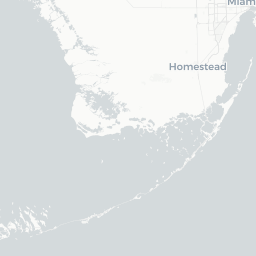
Tavernier sits at roughly Mile Marker 92 on the Overseas Highway, making it one of the first communities travelers reach after crossing from the Florida mainland into the Florida Keys. With a permanent population of just over 2,000, it has the quiet, residential feel of a genuine Keys town rather than a tourist hub — which is precisely its appeal for visitors who want proximity to reefs and wildlife without the bustle of Key West or even Islamorada.
The town straddles two small islands, Key Largo Hammock and Plantation Key, connected by short bridges. Its waterfront faces both the Atlantic Ocean to the east and Florida Bay to the west, giving anglers, kayakers, and boaters access to dramatically different ecosystems within minutes of each other.
Historically, Tavernier was one of the earliest settled communities in the Upper Keys, and a handful of early 20th-century Conch-style homes survive near the old town center. The name is generally believed to derive from a Spanish or French geographic term, though its exact etymology is debated locally. Today the town functions as a practical base with grocery stores, marinas, dive shops, and healthcare services that many deeper-Keys communities lack.
Before You Go
Visas and Entry
Tavernier is a US domestic destination. International visitors should check TravelerPulse's Visas section and the official US Customs and Border Protection website (cbp.gov) for current entry requirements.
Climate
The Upper Keys have a subtropical climate. Winters (December–February) are warm and dry, with daytime highs typically in the low-to-mid 70s °F (low 20s °C) and occasional cool fronts. Summer (June–September) is hot, humid, and prone to afternoon thunderstorms; this period also falls within Atlantic hurricane season (June 1–November 30). Travelers visiting between August and October should monitor the National Hurricane Center (nhc.noaa.gov) and have a clear evacuation plan.
Packing Tips
- Light, moisture-wicking clothing year-round
- High-SPF reef-safe sunscreen (required by Florida law on some reefs)
- Insect repellent — mosquitoes and no-see-ums can be intense, especially after rain
- Water shoes or sandals for boat ramps and rocky shorelines
- A light jacket for winter evenings or air-conditioned restaurants
Health
No special vaccinations are required for US domestic travelers. Jellyfish, stingrays, and fire coral are present in Keys waters; shuffle your feet in shallow areas and treat any marine stings promptly. The nearest hospital with a full emergency department is Mariners Hospital in Tavernier itself — verify current services locally.
Getting There
By Car
The overwhelming majority of visitors drive to Tavernier via US-1 (the Overseas Highway), which is the only road corridor into the Keys. From Miami International Airport, the drive is roughly 60–75 miles south and typically takes 1.5 to 2.5 hours depending on traffic. Friday afternoons and holiday weekends can see significant congestion on the 18-mile stretch between Florida City and Key Largo — plan accordingly.
By Air
The Florida Keys Marathon Airport (MTH) and Key West International Airport (EYW) are the nearest commercial airports within the Keys, but both require driving north or south to reach Tavernier. Most travelers fly into Miami (MIA) or Fort Lauderdale (FLL) and rent a car.
By Bus
Florida Keys transit operates a bus service (the Keys Overnight and the 301 Dade-Monroe Express) connecting Miami-Dade to the Keys. Routes and schedules change; verify current service at miamidade.gov/transit or the Monroe County transit pages before travel. This option is feasible but limits flexibility considerably.
Getting Around
Tavernier is a car-dependent community. The Overseas Highway runs directly through it, and most businesses, restaurants, and access points are strung along or just off US-1. A rental car is strongly recommended for any meaningful exploration of the area.
Bicycling is possible along sections of the Florida Keys Overseas Heritage Trail, a multi-use path that runs through Tavernier. However, cyclists should be aware that some segments share road shoulders with fast-moving traffic, and the subtropical heat warrants carrying ample water.
Boating is a practical and popular way to move between destinations once you are in the Keys. Several marinas and boat ramps in and around Tavernier offer rentals and charters. If you plan extensive water activity, booking a guided trip through a local outfitter is often the safest and most efficient option, especially for first-time visitors unfamiliar with the shallow-water navigation challenges of Florida Bay.
Things to See & Do
Florida Keys Wild Bird Center
Located just north of downtown Tavernier, this nonprofit rehabilitation center treats injured native birds and maintains a free-access boardwalk where visitors can observe pelicans, herons, roseate spoonbills, and other species at close range. It is one of the more rewarding wildlife experiences in the Upper Keys. Verify current visiting hours directly with the center.
Diving and Snorkeling
Tavernier sits near the Florida Reef Tract, the only living barrier reef in the continental United States and the third-largest in the world. Several dive operators in the area offer trips to sites along the reef, including areas within the Florida Keys National Marine Sanctuary. Conditions and site availability vary by season and weather; book through a licensed local operator.
Fishing
Both offshore and backcountry fishing are popular. The Atlantic side offers reef and pelagic species, while Florida Bay's shallow flats are renowned for permit, bonefish, and tarpon — some of the most sought-after targets in flats fishing. Numerous licensed guides operate out of local marinas.
Kayaking and Paddleboarding
Florida Bay's calm, shallow waters make it well-suited to non-motorized watercraft. Paddlers can explore mangrove creeks, seagrass flats, and small uninhabited keys. Rentals are available from local outfitters; verify availability locally.
Crocodile Lake National Wildlife Refuge
Located on northern Key Largo, a short drive from Tavernier, this refuge protects one of the largest remaining populations of the endangered American crocodile. The refuge has limited public access; check the US Fish & Wildlife Service website (fws.gov) for current access information before visiting.
Food & Drink
Tavernier's dining scene is small and unpretentious, leaning toward fresh seafood, casual waterfront spots, and local institutions rather than fine dining. Expect the Keys staples: conch fritters, fish sandwiches, stone crab claws (in season, roughly October through May), and key lime pie.
Several waterfront restaurants offer docking access for boaters arriving by water — a practical and atmospheric way to time a meal around a day on the water. Because the restaurant scene is small, popular spots can fill quickly on winter weekends; arriving early or checking for reservations is advisable.
Grocery options in Tavernier include a Winn-Dixie supermarket, which is a useful stop for self-catering travelers. Specialty items such as fresh dockside fish can sometimes be purchased directly from local commercial fishermen at area docks — ask locally for current availability.
Alcohol is widely available. The legal drinking age in Florida is 21; ID may be checked.
Practical Information
Emergency Services
For all emergencies in the United States, dial 911. Mariners Hospital is located in Tavernier and serves the Upper Keys; verify current emergency department hours and capabilities locally or at baptisthealth.net.
Connectivity
Cell service from major US carriers is generally reliable in Tavernier and along US-1. Coverage can become intermittent on the water or in more remote areas of Florida Bay.
Money
Credit and debit cards are accepted at most businesses. ATMs are available at local banks and the Winn-Dixie. Some smaller charter operators and vendors prefer or require cash — confirm in advance.
Tipping
Standard US tipping norms apply: 18–20% at sit-down restaurants, comparable for fishing guides and dive instructors (gratuity for guides is considered standard practice).
Fuel
Gas stations are available along US-1 in Tavernier. Marine fuel is available at local marinas; prices and availability vary — verify locally.
Safety
Tavernier is a quiet residential community with generally low crime levels. Standard urban safety precautions apply: secure valuables in your vehicle (or better, don't leave them visible), lock rental cars, and be aware of your surroundings.
The primary safety considerations here are environmental. Boaters and swimmers should be alert to boat traffic in channels, which can be heavy on weekends. Florida Bay's shallow, unmarked water requires careful navigation — running aground on seagrass or rock is a genuine risk for those unfamiliar with the area. Always file a float plan when heading offshore or deep into the backcountry.
During hurricane season, have a clear plan. The Keys sit on very low-lying land with limited evacuation routes (US-1 is the only road out). Follow any mandatory evacuation orders issued by Monroe County authorities immediately and without delay.