Overview
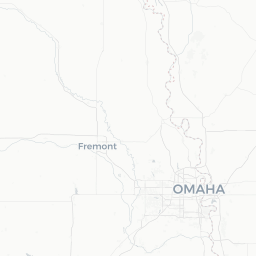
Carter Lake is a small city in Pottawattamie County, Iowa, with a population of roughly 3,800 people. It holds an unusual place in American geography: it sits on the western side of the Missouri River yet belongs to Iowa, not Nebraska. This anomaly traces back to a 19th-century oxbow cut-off that shifted the river's course, leaving the community legally attached to Iowa while physically adjacent to Omaha, Nebraska.
The city is essentially an enclave — Nebraska surrounds it on the west, north, and south, while the Missouri River historically defined its eastern boundary. Despite its small footprint, Carter Lake has its own city government, school district, and services, functioning as an independent municipality even though most visitors arrive through Omaha streets.
For travelers, Carter Lake is less a standalone destination and more a compelling footnote to an Omaha trip. Its riverside location, casino, and park make it worth an afternoon's attention, and its quirky jurisdictional status gives it genuine talking-point value.
Before You Go
Visas and Entry
Carter Lake is within the United States. For visa and entry requirements, visit TravelerPulse's Visas section and consult the U.S. Customs and Border Protection website for current official guidance.
What to Expect
This is a small, predominantly residential city. Visitor infrastructure is limited compared to neighboring Omaha, so plan to use Omaha for the bulk of your dining, lodging, and entertainment options. The city has no airport and no commercial transit hub of its own.
Practical Tip
Because Carter Lake is accessed primarily via Omaha's street network, most GPS navigation systems will route you through Nebraska to reach it. This is normal — don't be confused by crossing state lines en route.
Getting There
By Air
The nearest airport is Eppley Airfield (OMA) in Omaha, Nebraska, located just a few miles from Carter Lake. It handles domestic and some regional international flights. Verify current airline service and schedules directly with the airport or your carrier.
By Car
Carter Lake is easily reached by car from Omaha via Interstate 480 or surface streets crossing the Missouri River bridges. From Des Moines, the drive is approximately 2.5 hours westbound on I-80. Parking is generally available at the casino and park areas.
By Public Transit
Omaha's Metro Transit bus network serves parts of the Omaha metro area; verify current routes and stops on the Metro Transit website, as service into Carter Lake specifically may be limited. Check locally for the most current schedules.
Getting Around
Carter Lake is compact and most points of interest are within a short drive of one another. A personal vehicle or rideshare (services like Uber and Lyft operate in the Omaha metro area including Carter Lake) is the most practical way to get around. There are no local bus loops specific to Carter Lake. Walking is feasible within Carter Lake Park and its immediate surroundings, but the city is not designed as a walkable destination in the traditional sense.
Things to See & Do
Carter Lake Park
The city's primary public green space sits along the lakeside and offers access to outdoor recreation including fishing, picnic areas, and open grounds. It is a local gathering point, particularly in warmer months. Verify current amenities and any entry requirements with the city directly.
Horseshoe Council Bluffs (adjacent area)
Just across the river in Council Bluffs, Iowa, a cluster of casinos serves the broader metro area. The Island Casino & Resort (verify current name and status locally) has historically operated within or near Carter Lake itself — confirm current operations before visiting.
Geographical Curiosity
For travelers interested in American legal and geographical oddities, Carter Lake is a genuine case study. Standing in the city and looking west into Omaha offers a striking visual reminder of how river dynamics once shaped state boundaries. It's a low-key but memorable thing to contemplate on a short walk.
Proximity to Omaha Attractions
Downtown Omaha, the Henry Doorly Zoo and Aquarium (one of the most visited zoos in the country), the Old Market district, and the Bob Kerrey Pedestrian Bridge are all within a short drive. Most visitors to Carter Lake fold it into a broader Omaha itinerary.
Food & Drink
Dining options within Carter Lake itself are limited. The casino property has historically included food and beverage outlets — verify current offerings on their official site. For a full range of restaurants, bars, and cafes, Omaha's Old Market and surrounding neighborhoods offer extensive options across many cuisines and price points. Council Bluffs, directly across the river in Iowa, also has additional dining choices closer in proximity than downtown Omaha.
Practical Information
Emergency Services
In any emergency in the United States, dial 911 for police, fire, or medical assistance. Carter Lake has its own police department; for non-emergency matters, contact them through numbers listed on the official City of Carter Lake website.
Iowa vs. Nebraska Jurisdiction
Because Carter Lake is an Iowa city surrounded by Nebraska, travelers should be aware that Iowa law applies within city limits, not Nebraska law. This can affect things like tax rates and certain regulations. The casino industry historically took advantage of differing gaming laws between the two states, though that regulatory landscape has changed over time — verify current status locally.
Connectivity
Cellular coverage from major U.S. carriers is generally reliable in the Omaha metro area including Carter Lake. Wi-Fi is available at the casino property; verify availability elsewhere locally.
Safety
Carter Lake is a small residential city within a major metro area. As with any urban-adjacent community, standard precautions apply: be aware of your surroundings, secure valuables in your vehicle, and stay oriented to the neighborhoods you are in. For current local safety information, consult the Carter Lake Police Department or check travel advisories from the U.S. Department of State if you are an international visitor unfamiliar with the region.