Overview
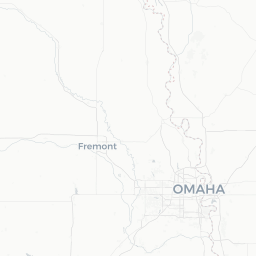
Hillsborough is a small community in eastern Nebraska, situated in the broad agricultural and suburban corridor east of Lincoln and in the orbit of the Omaha metropolitan area. Its coordinates place it within Sarpy or Douglas County, a part of the state characterized by gently rolling plains, river valleys, and the steady expansion of Omaha's suburbs.
With a modest population, Hillsborough itself has the character of a quiet residential locality rather than a tourist destination in the conventional sense. Travelers who find themselves here are most often visiting family, passing through on a longer road trip across the Great Plains, or using the area as an affordable and peaceful base from which to explore Omaha, the Missouri River corridor, and the broader Nebraska landscape.
Eastern Nebraska offers genuine rewards for patient travelers: wide skies, agricultural heritage, accessible nature along the Platte and Missouri Rivers, and the cultural and culinary depth of Omaha just a short drive away. Hillsborough shares in this regional character even if it lacks the infrastructure of a destination city.
Before You Go
Visas and Entry
Hillsborough is located in the United States. For visa and entry requirements, visit TravelerPulse's Visas section and consult the U.S. Customs and Border Protection website or the official immigration authority of your home country for current rules.
What to Expect
This is a small, largely residential community. Do not expect a downtown area with hotels, restaurants, or visitor attractions within the community itself. Plan accordingly by booking accommodation in nearby larger towns or in Omaha, and bring supplies if you intend to spend significant time in the area.
Climate
Eastern Nebraska has a continental climate with four distinct seasons. Summers (June–August) are warm to hot and can be humid. Winters (December–February) bring cold temperatures and occasional snow. Spring and fall are transitional and generally pleasant, though spring can bring severe thunderstorms. Tornado risk is real in Nebraska from late spring through early summer — familiarize yourself with local emergency alert systems before visiting.
Getting There
By Air
The nearest major airport is Eppley Airfield (OMA) in Omaha, Nebraska, which offers domestic and some international connections. Verify current routes and schedules directly with airlines or on the airport's official website.
By Road
Eastern Nebraska is well-served by the Interstate highway system. Interstate 80 is the primary east–west corridor across the state, and Interstate 29 runs north–south along the Missouri River. Hillsborough's location in eastern Nebraska means it is reachable by car from Omaha in a relatively short drive. A personal vehicle or rental car is strongly recommended, as public transit options in small Nebraska communities are extremely limited.
By Rail
Amtrak's California Zephyr and other routes serve Omaha's Union Station. Check Amtrak's official website for current schedules and stops. From Omaha, onward travel to Hillsborough would require a vehicle.
Getting Around
A personal vehicle is essentially required for getting around Hillsborough and the surrounding area. The community is not served by significant public transportation, and distances between points of interest in rural and suburban Nebraska are typically best covered by car.
Ride-hailing services (such as Uber and Lyft) may be available in the broader Omaha metropolitan area but availability in smaller outlying communities should be verified before relying on them. Verify locally before assuming coverage.
Roads in eastern Nebraska are generally well-maintained. A standard passenger vehicle is sufficient for all paved routes in the area.
Things to See & Do
Hillsborough itself is a small residential community without established visitor attractions. However, the surrounding eastern Nebraska region offers several worthwhile experiences for travelers.
Natural Areas
The Missouri River and the Platte River — both accessible within a reasonable drive — offer opportunities for birdwatching, fishing, and walking along riverine landscapes. Nebraska's river corridors are significant stopping points for migratory birds, particularly sandhill cranes during spring migration (primarily along the Platte River near Kearney, further west).
Proximity to Omaha
Omaha, Nebraska's largest city, is the region's cultural and recreational hub. It is home to the Henry Doorly Zoo and Aquarium (widely recognized as one of the top zoos in the United States), the Old Market historic district, the Joslyn Art Museum, and a developed riverfront area along the Missouri. Verify hours, admission fees, and current offerings directly with each attraction before visiting.
Outdoor and Agricultural Landscape
The rolling eastern Nebraska countryside is worth experiencing for its own sake if you appreciate open landscapes, agricultural heritage, and the quieter rhythms of the Great Plains. County and state roads offer scenic driving.
Food & Drink
Hillsborough is a small residential community and is unlikely to have a significant independent restaurant or bar scene. Travelers should expect to drive to nearby towns or into the Omaha metropolitan area for dining options.
Omaha has a well-regarded food culture with particular strengths in steakhouses — Nebraska beef is a genuine regional specialty — as well as a growing number of diverse independent restaurants, particularly in the Old Market neighborhood. Verify specific restaurants are open and check current menus before visiting, as businesses change.
For everyday needs such as groceries or quick meals, verify what is available in the nearest town to where you are staying, and plan accordingly if you are self-catering.
Practical Information
Emergency Services
In the United States, dial 911 for police, fire, or medical emergencies. This number is universal across the country.
Health
No specific health precautions are required for travel to Nebraska beyond standard travel health practices. The nearest hospitals and urgent care facilities are likely in Omaha or other larger nearby towns — verify the closest medical facility to your specific accommodation before you need it.
Connectivity
Cellular coverage from major US carriers (Verizon, AT&T, T-Mobile) is generally good in eastern Nebraska, though rural areas can have gaps. Wi-Fi availability will depend on your specific accommodation.
Tipping
Tipping is customary in the United States. In restaurants, 15–20% of the pre-tax bill is standard. Verify current norms for other services locally.
Safety
Eastern Nebraska is generally considered a safe region. As with any travel, standard precautions apply: keep valuables secure, be aware of your surroundings, and lock vehicles.
The primary weather-related safety concern in Nebraska is severe weather, particularly thunderstorms and tornadoes during late spring and early summer. Download a reliable weather alert app, know where the nearest shelter is, and take tornado warnings seriously. The National Weather Service (weather.gov) provides forecasts and alerts for Nebraska.
Road safety: Wildlife crossings (deer in particular) are common on rural Nebraska roads, especially at dawn and dusk. Drive at appropriate speeds and stay alert on country roads.