Overview
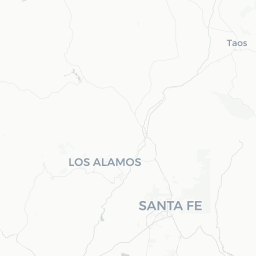
El Rancho is a small unincorporated community in Rio Arriba County, New Mexico, situated near the junction of U.S. Highway 84 and State Road 503, roughly between Española and Alcalde in the Española Valley. With a population of around 1,200, it is a quiet, largely residential community embedded in the high desert landscape of northern New Mexico.
The area sits at roughly 5,500 feet elevation and is flanked by the Sangre de Cristo Mountains to the east and the Jemez Mountains to the west. The Rio Grande flows nearby, giving the surrounding valley its agricultural character. Orchards, small farms, and traditional adobe homes define much of the local landscape.
Visitors typically pass through El Rancho while exploring the broader Española Valley and the northern New Mexico cultural corridor connecting Santa Fe with Taos and the Rio Grande Gorge region. It is not a major tourist destination on its own, but it serves as a convenient and authentic stopping point for travelers interested in rural New Mexico life.
Before You Go
El Rancho is a small community with very limited commercial infrastructure. Do not expect grocery stores, gas stations, pharmacies, or banks within the community itself — stock up in Española (approximately 5–10 minutes south by car) before arriving.
Visas: El Rancho is in the United States. For entry requirements, check TravelerPulse's Visas section and the official U.S. Customs and Border Protection website for guidance specific to your nationality.
Cell service and internet: Coverage can be inconsistent in parts of the Española Valley. Download offline maps before your trip. Verify connectivity with your carrier before relying on navigation or data in the area.
- Climate: High desert conditions mean hot afternoons, cool nights, and strong UV year-round. Bring sunscreen, layers, and water.
- Altitude: At roughly 5,500 feet, newcomers from lower elevations may feel mild altitude effects. Hydrate well.
- Monsoon season: July and August bring afternoon thunderstorms that can be intense. Plan outdoor activities for mornings.
Getting There
By Air
The nearest commercial airport is Santa Fe Regional Airport (SAF), approximately 35–40 miles south. Albuquerque International Sunport (ABQ), about 90 miles south, offers significantly more flight options and major airline connections. Renting a car at either airport is strongly recommended, as El Rancho has no public transit connections.
By Car
El Rancho is accessible via U.S. Highway 84/285, a well-maintained two-lane highway running through the Española Valley. From Santa Fe, take US-84/285 north; from Taos, take NM-68 south to Española and then US-84 south. Española is the nearest town with fuel and services.
By Bus
New Mexico Department of Transportation's North Central Regional Transit District (NCRTD) operates bus routes in the Española Valley area. Verify current routes, stops, and schedules directly with NCRTD, as service levels and routing in rural areas can change.
Getting Around
A personal vehicle is essential in El Rancho and the surrounding area. There is no local taxi, rideshare, or bike-share infrastructure within the community. The road network in the valley is straightforward, but some secondary roads can be unpaved or narrow.
For day trips to nearby sites — the Rio Grande Gorge, Bandelier National Monument, or the town of Taos — a car is the only practical option. Gas up in Española before heading to more remote areas. Roads into the Jemez Mountains or toward the Valles Caldera can involve steep grades and sharp curves; verify road conditions, especially after winter storms or summer monsoons.
Things to See & Do
El Rancho itself offers little formal tourism infrastructure, but its location in the Española Valley puts travelers within easy reach of significant natural and cultural sites.
Rio Grande and Surrounding Nature
The Rio Grande flows near the community, and portions of the Rio Grande del Norte National Monument are within reasonable driving distance. The river corridor supports wildlife watching, fishing (verify current licensing requirements with New Mexico Game and Fish), and photography.
Nearby Historical and Cultural Sites
- Alcalde and Dixon: Small agricultural communities nearby with local orchards and, during harvest season, roadside farm stands selling chiles, apples, and produce.
- Puye Cliff Dwellings: An ancestral Puebloan site operated by Santa Clara Pueblo, located a short drive from El Rancho. Verify current tour availability and hours directly with Santa Clara Pueblo.
- Española Valley arts scene: The broader valley has a quiet tradition of Hispanic folk art, weaving, and wood carving. Local galleries and studios are scattered through the area.
Day Trips
El Rancho's position midway between Santa Fe and Taos makes it a logical base for day trips in either direction. Bandelier National Monument, the Valles Caldera National Preserve, and the Taos Pueblo are all reachable within an hour or so by car.
Food & Drink
There are no established restaurants or cafes documented within El Rancho's immediate community. Española, just a few minutes south, is the nearest town with a range of dining options — including New Mexican cuisine featuring red and green chile, a regional staple.
The Española Valley has a strong tradition of home-style New Mexican cooking. Look for locally owned diners and family restaurants in Española rather than chain establishments if you want authentic regional food. Green chile season in late summer and early fall brings fresh-roasted chiles to roadside stands throughout the valley — a genuine local experience worth seeking out.
Alcohol laws in New Mexico allow sales in licensed restaurants and stores. Be aware that some nearby Pueblo lands are dry — respect local regulations when visiting those areas.
Practical Information
- Emergency services: Dial 911 for police, fire, or medical emergencies in the United States.
- Nearest hospital: Presbyterian Española Hospital in Española is the closest medical facility. Verify its current status and services before your trip.
- Banking and ATMs: Not available in El Rancho; use facilities in Española.
- Fuel: Fuel up in Española; do not assume you can find a gas station in El Rancho.
- Postal and shipping services: Use Española for mail, parcels, or shipping needs.
- Water: Tap water in the area is generally treated municipal or well water. When hiking or visiting remote outdoor sites, carry sufficient drinking water — the desert climate is dehydrating even when temperatures feel moderate.
Safety
El Rancho is a quiet rural community. General rural New Mexico safety considerations apply: road conditions can vary, services are sparse, and cell coverage may be patchy in outlying areas. Carry a paper map or download offline navigation as a backup.
For outdoor activities near the Rio Grande, be aware of swift currents, flash flood risk in canyon areas during monsoon season, and the need to stay on marked trails in protected lands. Always tell someone your plans before heading into backcountry areas.
As with any area, exercise standard personal safety awareness. If you encounter a situation requiring emergency assistance, dial 911.
Local Culture & Etiquette
El Rancho sits within a historically rich cultural landscape. Northern New Mexico has been inhabited continuously for centuries — first by Ancestral Puebloan peoples, then shaped by Spanish colonial settlement from the late 16th century onward, and later influenced by Mexican and Anglo-American settlement. The Española Valley reflects this layered history in its architecture, place names, language, and traditions.
Hispanic Catholic traditions remain important in many communities throughout the valley, including religious observances, feast days, and local santos (religious folk art). Visitors should treat religious sites, acequia (irrigation ditch) systems, and community gathering spaces with respect.
Several Pueblo nations have land in the broader region, including Santa Clara Pueblo and San Ildefonso Pueblo. When visiting Pueblo lands, follow all posted rules regarding photography, access, and conduct. Many Pueblos restrict or prohibit photography at certain times or in certain areas — ask and abide by the answer.