Overview
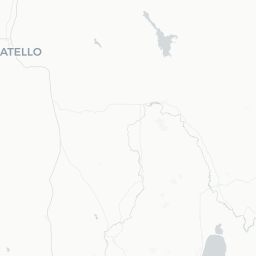
Rafter J Ranch is a small, primarily residential community located in Teton County, Wyoming, situated just south of the town of Jackson. With a population of roughly 1,000 residents, it functions more as a quiet neighborhood enclave than a traditional destination in its own right. Its significance to travelers lies almost entirely in its geography: it sits within a short drive of some of the most spectacular landscapes in the American West.
The community is bordered by the Snake River plain and enjoys unobstructed views of the Teton Range. Visitors who stay in or near Rafter J Ranch typically do so to access Jackson Hole's world-class skiing, Grand Teton National Park, and Yellowstone National Park — all within comfortable driving distance. The area has a high-altitude, semi-arid character, with cold winters, short springs, warm summers, and vivid autumns.
Because Rafter J Ranch is not a commercial hub, travelers should expect to rely on the nearby town of Jackson for restaurants, shops, medical services, and most tourist infrastructure. Think of this community as a peaceful staging ground rather than a destination with its own visitor economy.
Before You Go
Visas
Rafter J Ranch is in the United States. For visa and entry requirements, check TravelerPulse's Visas section and consult the U.S. Citizenship and Immigration Services (USCIS) or the nearest U.S. embassy or consulate for your country.
What to Pack
- Weather in Teton County can shift quickly in any season. Bring layered clothing regardless of when you visit.
- Sturdy, waterproof hiking boots are advisable for summer and fall visits.
- In winter, pack serious cold-weather gear — temperatures regularly fall well below freezing.
- Sun protection (sunscreen, sunglasses, a hat) is important year-round at this elevation.
Health Considerations
- Rafter J Ranch sits at roughly 6,200 feet above sea level. Visitors arriving from lower elevations may experience mild altitude adjustment symptoms such as fatigue or headache. Stay hydrated and ease into strenuous activity.
- The nearest hospital is St. John's Medical Center in Jackson — verify its current address and contact details locally or online before you travel.
- Wildlife is present throughout the region. Never approach bison, bears, elk, or moose.
Getting There
By Air
The closest commercial airport is Jackson Hole Airport (JAC), located within Grand Teton National Park approximately 20 miles north of Rafter J Ranch. It is one of the few commercial airports inside a U.S. national park. Several airlines offer seasonal and year-round service; check current routes and schedules directly with carriers or your booking platform.
By Car
Rafter J Ranch is accessible via U.S. Highway 89/191, which runs through the Jackson Hole valley. Most visitors arriving by car come through either Idaho via U.S. 26 from the west, or through Hoback Canyon from the south. A vehicle is essentially required — public transit in this part of Wyoming is extremely limited, and distances between attractions are significant.
By Bus
Limited regional bus service connects Jackson to some surrounding communities. The START Bus system operates in the greater Jackson area; verify current routes and schedules on their official website before planning your trip. No direct intercity bus service to Rafter J Ranch itself is known to exist.
Getting Around
A personal vehicle or rental car is by far the most practical way to get around Rafter J Ranch and the surrounding Teton County area. Roads within the community are standard residential streets, and the main arterials connecting it to Jackson and the national parks are well-maintained paved highways.
The START Bus provides public transit within the Jackson area and some ski resort connections; verify current routes and fares on their official website. Ride-share availability in this region can be limited and inconsistent compared to urban areas — do not rely on it exclusively.
In summer, cycling is feasible on designated paths connecting parts of the Jackson Hole valley, though distances and elevation changes require reasonable fitness. In winter, road conditions can be hazardous; carry chains or ensure your rental vehicle has all-wheel or four-wheel drive.
Things to See & Do
Rafter J Ranch itself has no commercial attractions, but its location makes it an outstanding base for regional activities.
Grand Teton National Park
Approximately 15–20 miles north, Grand Teton offers hiking, wildlife watching, boating on Jenny Lake, mountaineering, and scenic drives along Teton Park Road. Entrance fees apply; verify current rates at nps.gov/grte.
Yellowstone National Park
Roughly 60–70 miles north via U.S. 89, Yellowstone is reachable as a long day trip from Rafter J Ranch. Plan for significant time inside the park — it is enormous.
Jackson Hole Mountain Resort
Located at Teton Village, about 20 miles northwest, this is one of North America's premier ski destinations in winter and offers scenic gondola rides and mountain biking in summer. Verify current lift ticket prices and hours directly with the resort.
Snake River
The Snake River runs through this valley and is popular for guided float trips and fly-fishing. Numerous outfitters in Jackson offer guided excursions — book in advance during peak summer months.
Town of Jackson
Jackson's historic town square, with its famous elk-antler arches, hosts galleries, boutiques, live music, and the National Museum of Wildlife Art (verify hours and admission directly with the museum).
Food & Drink
Rafter J Ranch has no restaurants or cafes of its own. All dining options are found in the town of Jackson, approximately 3–5 miles north, or further afield at Teton Village.
Jackson has a dining scene that is relatively diverse for a small Wyoming town, ranging from casual burger joints and barbecue spots to upscale New American restaurants. Local specialties often feature bison, elk, and trout — ingredients common to the Rocky Mountain region. Many higher-end restaurants operate with seasonal menus and can be busy during peak summer and ski seasons; reservations are advisable.
Grocery shopping for self-catering visitors is available in Jackson. If you are renting a property in Rafter J Ranch with kitchen facilities, stocking up before arrival is a practical strategy, as driving into town for every meal adds up quickly.
Practical Information
Emergency Services
For any emergency in the United States, dial 911. Verify the location of the nearest hospital (St. John's Medical Center in Jackson) and urgent care facilities before your trip.
Connectivity
Cell service is generally available in Rafter J Ranch and Jackson but can be spotty in remote sections of the national parks and backcountry areas. Download offline maps before venturing into wilderness areas.
Wildlife Safety
- Bear spray is strongly recommended for any hiking in Grand Teton or Yellowstone. Purchase it in Jackson before entering the parks.
- Store food properly and follow all posted wildlife guidelines in national park areas.
Seasonal Considerations
- Summer (June–August) is peak season: expect higher accommodation prices and crowded park entrances.
- Fall (September–October) offers fewer crowds and dramatic foliage.
- Winter brings road closures within the parks and avalanche risk in backcountry areas.
- Spring snowmelt can make some trails muddy or impassable through May.
Safety
Rafter J Ranch is a low-crime residential community. General common sense applies: secure vehicles and accommodation, and be mindful of your surroundings.
The primary safety considerations in this region are environmental. Wildlife encounters — including with black bears, grizzly bears, moose, bison, and rattlesnakes — are real possibilities once you leave the community for trails and parks. Follow all National Park Service guidelines without exception. Never feed or approach wildlife.
Weather can change rapidly and severely. Summer afternoon thunderstorms are common at altitude. In winter, avalanche risk is present in backcountry ski terrain. Check avalanche forecasts through the Bridger-Teton Avalanche Center before any backcountry activity. Road conditions in winter can deteriorate quickly; check Wyoming Department of Transportation (WYDOT) road reports before driving.