Overview
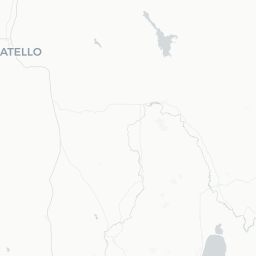
Wilson is a small, unincorporated community in Teton County, Wyoming, situated along the Teton Pass corridor roughly 6 miles west of the town of Jackson. With a population of around 1,500, it functions less as a destination in its own right and more as a residential and waypoint community for people heading into Grand Teton National Park, Jackson Hole Mountain Resort, or deeper into the Snake River valley.
The area sits at roughly 6,100 feet elevation on the western edge of the Jackson Hole valley, flanked by the Snake River to the east and the Teton Range to the west. Teton Pass (US-26/89/189/191) runs directly through or near Wilson, making it a natural crossroads between Wyoming and southeastern Idaho.
Visitors who stay in or pass through Wilson typically come for the broader Jackson Hole experience — world-class skiing, whitewater rafting on the Snake River, hiking, wildlife watching, and proximity to two national parks (Grand Teton and Yellowstone). The community has a low-key, local feel that contrasts with the more tourist-heavy town of Jackson a few miles away.
Before You Go
Visas and Entry
Wilson is in the United States. Entry requirements depend on your nationality. For guidance, visit TravelerPulse's Visas section and check the official US Customs and Border Protection website for current requirements.
Altitude Awareness
Wilson sits above 6,000 feet, and Teton Pass climbs considerably higher. Travelers coming from sea level may experience mild altitude-related fatigue or headaches during the first day or two. Hydrate well and ease into strenuous activity.
Seasonal Considerations
- Summer (June–September): Peak season; warm days, cool nights. Book accommodations well in advance.
- Winter (December–March): Heavy snowfall is common; Teton Pass can close temporarily during severe storms. All-wheel or four-wheel drive with winter tires is strongly recommended.
- Shoulder seasons (April–May and October–November): Some services may have reduced hours or be closed. Weather is unpredictable — snow is possible in any month.
Cell Service and Connectivity
Cell coverage in the Wilson area and along Teton Pass can be intermittent. Download offline maps before traveling into surrounding mountain areas.
Getting There
By Air
The nearest commercial airport is Jackson Hole Airport (JAC), located in Grand Teton National Park roughly 12–15 miles from Wilson. It receives seasonal and year-round service from several major US hubs; verify current routes and schedules directly with airlines or the airport.
By Car
Most visitors drive to Wilson. From Jackson, take WY-22 west — this road runs directly through Wilson toward Teton Pass. From Idaho, US-26 crosses Teton Pass into Wilson from the west. A reliable, road-worthy vehicle is important year-round but especially in winter.
Ground Transportation
Shuttle and taxi services operate in the broader Jackson Hole area. Verify current operators and availability locally or through your accommodation, as service providers change seasonally.
Getting Around
Wilson itself is very small and walkable at its core, but reaching attractions in the broader Jackson Hole area requires a vehicle. There is no meaningful public transit within Wilson.
The START Bus system operates public transit routes in Teton County connecting Jackson, Teton Village, and surrounding areas. Wilson is along or near some of these routes — verify current route maps and schedules at the START Bus website, as service is subject to seasonal changes.
Renting a car is the most practical option for most visitors. In winter, prioritize a vehicle with four-wheel or all-wheel drive given the steep grade and frequent snow and ice on Teton Pass and surrounding roads.
Where to Stay
Wilson has limited lodging within the immediate community. Most visitors base themselves in the town of Jackson or at Teton Village, both within easy driving distance.
Accommodation types in the broader area include hotels, motels, vacation rental homes and cabins, and guest ranches (dude ranches). The Jackson Hole region is a high-demand destination, and prices reflect that — especially during peak ski season (January–March) and summer (July–August). Book well in advance for these periods.
Verify current lodging options locally or through booking platforms, as properties change ownership and availability frequently in resort communities.
Things to See & Do
Outdoor Recreation
The primary draw of the Wilson area is access to exceptional outdoor recreation in all four seasons:
- Grand Teton National Park — approximately 20 miles north; hiking, wildlife watching, scenic drives, boating on Jackson Lake
- Jackson Hole Mountain Resort (Teton Village) — roughly 8 miles north of Wilson; skiing, snowboarding, and summer gondola rides
- Snake River — the river runs through the valley; whitewater rafting trips and calmer float trips are offered by multiple operators in the area (verify operators locally)
- Teton Pass Trail System — multiple trailheads accessible from the pass for hiking and mountain biking in summer; backcountry skiing and snowshoeing in winter
- Bridger-Teton National Forest — surrounds much of the valley; dispersed recreation including hiking, camping, and horseback riding
Wildlife Watching
The greater Jackson Hole valley is one of the more reliable places in the lower 48 states to observe elk, moose, bison, pronghorn, and occasionally bears and wolves. Early morning and dusk are generally the best viewing times. Keep a safe and respectful distance from all wildlife — this is non-negotiable in both parks and on national forest land.
Food & Drink
Wilson has a small but locally appreciated food and drink scene. The Stagecoach Bar, a long-standing fixture of the community, is a well-known local gathering place — verify current hours before visiting. There are a limited number of other dining options in the immediate area.
For a fuller range of restaurants, cafés, and grocery stores, most visitors head into the town of Jackson, roughly 6 miles east. Jackson has a broad dining scene ranging from casual diners to upscale restaurants catering to visitors. Teton Village, near the ski resort, also has dining options concentrated around the resort base area.
If you are self-catering or camping, stock up on groceries in Jackson, as options in Wilson itself are minimal.
Practical Information
Emergency Services
Dial 911 for all emergencies (police, fire, medical) anywhere in the United States.
Medical Facilities
St. John's Medical Center is located in the town of Jackson and serves as the regional hospital for Teton County. For non-emergency care, verify current urgent care options in Jackson.
Weather Preparedness
Weather in the Teton area can change rapidly at any time of year. Always check current forecasts (the National Weather Service covers this area) before heading out, particularly for hikes or drives over mountain passes. Carry layers even on warm summer days.
Tipping
Tipping is standard practice in the US. In restaurants, 15–20% is the general norm for table service.
Time Zone
Wilson observes Mountain Time (MT): UTC−7 during Mountain Daylight Time (summer), UTC−8 during Mountain Standard Time (winter).
Safety
Wilson and the surrounding Teton County are generally safe communities with low violent crime rates. The most significant safety considerations for visitors are environmental and outdoor-related.
- Wildlife: Bison, moose, and bears are present in and around the valley. Never approach, feed, or attempt to photograph wildlife at close range. Carry bear spray when hiking in bear country and know how to use it.
- Mountain Driving: Teton Pass has a steep, winding grade. In winter, it can ice quickly and occasionally closes. Check Wyoming DOT road conditions before crossing (verify the current website for WYDOT).
- Avalanche Risk: The Teton backcountry has serious avalanche terrain in winter. Check avalanche forecasts from the Bridger-Teton Avalanche Center before any backcountry travel.
- Altitude and Exposure: Summer thunderstorms build quickly over the Tetons, typically in the afternoon. Plan hikes to reach summits or exposed ridges by midday and descend before storms arrive.