Overview
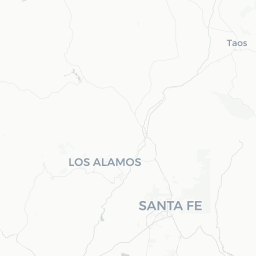
La Cienega is a small, historically rooted community of roughly 3,800 residents situated in the Caja del Rio plateau area of northern New Mexico, about 10–12 miles southwest of downtown Santa Fe. Its name translates loosely from Spanish as "the marsh" or "the bog," a reference to the springs and wetlands that once made this land unusually fertile in an otherwise arid high-desert landscape.
The village sits at the crossroads of several centuries of New Mexican history. Spanish colonists, Pueblo peoples, and later Anglo settlers all left marks on the land and its culture. Today La Cienega retains a quiet, semi-rural character that feels distinctly apart from the bustle of Santa Fe, even though the capital is only a short drive away.
The community is best known among travelers as the home of El Rancho de las Golondrinas, a renowned living history museum occupying a historic colonial-era ranch. Beyond that anchor attraction, La Cienega rewards visitors who appreciate acequia culture, traditional land use, high-desert scenery, and the slower rhythm of authentic New Mexican village life.
Before You Go
Visas & Entry
La Cienega is in the United States. For visa and entry requirements, check TravelerPulse's Visas section and the official U.S. Customs and Border Protection website (cbp.gov).
Climate
La Cienega sits at roughly 5,600–6,000 feet elevation, giving it a high-desert climate with warm summers and cold winters. Afternoon monsoon thunderstorms are common from July through mid-September — carry a rain layer and start hikes early. Winters can bring snow and freezing temperatures, so road conditions should be checked before driving.
What to Bring
- Sunscreen and a wide-brim hat; UV exposure is intense at elevation
- Layers — mornings and evenings cool quickly even in summer
- Water; services in the village itself are very limited
- Cash or a card; most transactions will happen in nearby Santa Fe
Practical Note
La Cienega has almost no commercial infrastructure of its own — no major hotels, no restaurant row. Plan your visit as a day trip or short excursion based out of Santa Fe, which offers the full range of lodging, dining, and services.
Getting There
By Air
The nearest commercial airport is Santa Fe Regional Airport (SAF), with limited regional connections. Albuquerque International Sunport (ABQ) is the primary hub for the region, approximately 60 miles south, and offers far more flight options. Rental cars are available at both airports and are strongly recommended for reaching La Cienega.
By Car
La Cienega is most easily reached via NM State Road 599 (the Santa Fe Relief Route) and local roads branching southwest from Santa Fe. GPS navigation works reliably here. From Albuquerque, take I-25 north to Santa Fe and then follow signs or navigation toward NM-599 south.
By Public Transit
There is no direct public transit service to La Cienega itself. The New Mexico Rail Runner Express connects Albuquerque to Santa Fe, and Santa Fe Trails bus service covers parts of Santa Fe — but reaching La Cienega from there requires a car or rideshare. Verify current rideshare availability in this area before relying on it.
Getting Around
A personal vehicle is essentially required to get around La Cienega and to move between attractions in the area. Roads are generally paved but rural, and some unpaved tracks exist on the outskirts.
Parking at El Rancho de las Golondrinas is available on site — verify current conditions and any fees directly with the museum before visiting. Santa Fe is easily accessed by car for any additional needs, and the drive along NM-599 offers pleasant high-desert views.
Things to See & Do
El Rancho de las Golondrinas
This is the centerpiece attraction of La Cienega. El Rancho de las Golondrinas ("Ranch of the Swallows") is a 200-acre living history museum occupying a genuine colonial-era ranch that was once a stopping point on the Camino Real de Tierra Adentro — the royal road connecting Mexico City to Santa Fe. The museum presents New Mexican history from Spanish colonial times through the late 19th century through reconstructed and restored historic buildings, working water mills, a blacksmith forge, a winery, and costumed interpreters during special event weekends.
The ranch hosts a series of themed festival weekends throughout the warmer months — topics have included frontier life, harvest traditions, Civil War history in New Mexico, and fiber arts (the popular Sheep to Shawl Festival). General self-guided visiting is typically available outside festival weekends, but the experience is notably richer during living history events. Verify current opening dates, hours, admission fees, and event schedules directly at golondrinas.org before your visit, as seasonal closures apply.
Acequia Culture & Landscape
The acequias — traditional communal irrigation ditches — of La Cienega are among the oldest continuously operating water-management systems in the United States, with roots in both Moorish Spanish and Indigenous Pueblo traditions. Walking or driving the rural roads around the village, particularly in spring and early summer when water flows and cottonwoods leaf out, gives a tangible sense of how this agricultural community has sustained itself for centuries.
Wildlife & Nature
The wetland and riparian zones near the historic springs support birds and wildlife not commonly found in the surrounding dry landscape. Birdwatchers should keep an eye out for migratory species, especially during spring and fall. No formal nature reserve or trail system is established here; treat private land boundaries with full respect.
Food & Drink
La Cienega has no established restaurant district. Visitors should plan to eat before arriving or to return to Santa Fe for meals. Santa Fe, just 10–12 miles away, offers extensive dining options spanning traditional New Mexican cuisine, international restaurants, and casual cafes.
If you are visiting El Rancho de las Golondrinas during a festival weekend, food vendors and demonstrations sometimes operate on site — verify with the museum in advance. New Mexico's signature dishes — green and red chile, posole, sopapillas, and tamales — are best sampled in Santa Fe's established restaurants.
Practical Information
Emergency Services
For any emergency in La Cienega, dial 911. The nearest full hospital services are in Santa Fe. Verify the location of the nearest urgent care clinic before your trip.
Connectivity
Mobile coverage is generally adequate along main roads near Santa Fe, but can become patchy on rural tracks in and around the village. Download offline maps before departing.
Respect for the Community
La Cienega is a living community, not a tourist destination in the conventional sense. Private property is common; stay on public roads and designated areas. The acequia system is community infrastructure — do not disturb it. Photography of private homes and residents requires permission.
Local Culture & Etiquette
La Cienega embodies the layered cultural heritage of northern New Mexico, where Spanish colonial, Indigenous Pueblo, and later American frontier traditions overlap and intertwine in daily life. The acequia system is not merely a historic curiosity — it remains a functional, legally recognized communal institution managed by elected mayordomos (ditch bosses), and it carries deep cultural significance.
The village's connection to the Camino Real places it within one of the great historical thoroughfares of North America, a UNESCO World Heritage route. Visitors who take time to understand this context — rather than treating La Cienega purely as a backdrop for El Rancho de las Golondrinas — leave with a far richer appreciation of New Mexico's distinctive identity within the United States.