Translate

Overview
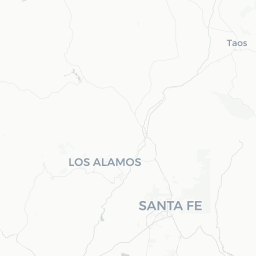
Eldorado at Santa Fe is a residential master-planned community located roughly 15 miles southeast of downtown Santa Fe along US Route 285. Sitting at approximately 6,800–7,000 feet elevation in the high Chihuahuan Desert, it is home to around 6,000 residents and is organized around a community association that maintains shared amenities, trails, and open space.
The neighborhood is characterized by earth-toned adobe and stucco homes that blend into the surrounding pinon-juniper scrubland. Visitors staying here typically do so to enjoy a quieter, more residential experience than downtown Santa Fe while remaining within easy driving distance of the city's world-class museums, galleries, dining, and historic Plaza.
For travelers, Eldorado functions primarily as a comfortable base rather than a standalone destination. That said, the community's trail network, dark skies, and unobstructed Sangre de Cristo mountain panoramas offer genuine appeal for those who value open space and tranquility over urban density.
Before You Go
Visas & Entry
Eldorado at Santa Fe is located in the United States. For visa and entry requirements, check TravelerPulse's Visas section and consult the official U.S. Customs and Border Protection website for the most current information.
Altitude Awareness
At nearly 7,000 feet, altitude sickness is a real possibility for travelers arriving from sea level. Allow a day or two to acclimatize, stay well hydrated, limit alcohol initially, and consult a physician if you have cardiovascular or respiratory conditions.
Climate
The high desert climate means warm, sunny days and cool nights even in summer. Afternoon thunderstorms are common from July through early September (the Southwest monsoon season). Winters can bring snow and freezing temperatures. Pack layers year-round.
What to Bring
- Sunscreen (high UV index at elevation)
- Reusable water bottle — hydration is critical
- Layers for temperature swings
- Sturdy walking or hiking shoes
- Cash for small local transactions, though cards are widely accepted in the Santa Fe area
Getting There
By Air
The closest commercial airport is Santa Fe Regional Airport (SAF), which offers limited scheduled service. Most travelers fly into Albuquerque International Sunport (ABQ), approximately 70 miles to the southwest, which has significantly more domestic connections. From ABQ, Eldorado at Santa Fe is roughly a 60–75 minute drive depending on traffic.
By Car
A personal vehicle or rental car is the most practical way to reach Eldorado at Santa Fe. From Santa Fe, take US-285 South and follow signs toward the Eldorado community. From Albuquerque, take I-25 North to Santa Fe, then US-285 South.
By Bus / Shuttle
The New Mexico Rail Runner Express connects Albuquerque to the Santa Fe Depot, but there is no direct public transit serving Eldorado at Santa Fe from the Rail Runner. Shuttle and rideshare services operate between the depot and surrounding communities — verify current availability and schedules locally or through the Santa Fe transit authority before your trip.
Getting Around
A personal vehicle is essential for getting around Eldorado at Santa Fe and for traveling to downtown Santa Fe, Pecos, or other nearby points of interest. The community's internal road network is navigable but not served by public transit.
Rideshare apps (Uber, Lyft) are available in the greater Santa Fe area but coverage in Eldorado specifically can be inconsistent — verify app availability at time of travel. Taxi services in Santa Fe are limited compared to major cities.
Within the community itself, the trail and open-space network is walkable and bikeable. Many residents and visitors explore these paths on foot, particularly at dawn and dusk when wildlife sightings are most likely.
Things to See & Do
Community Trails & Open Space
Eldorado at Santa Fe maintains a network of unpaved trails through the surrounding pinon-juniper landscape. These are well-suited for walking, trail running, and mountain biking. Views of the Sangre de Cristo Mountains to the north and east are a highlight.
Stargazing
The community benefits from relatively low light pollution compared to central Santa Fe. Clear, high-desert nights make for excellent stargazing, particularly in the months away from the summer monsoon season.
Day Trips from Eldorado
- Santa Fe Plaza & Canyon Road: The historic downtown, Georgia O'Keeffe Museum, Museum of International Folk Art, and renowned gallery district on Canyon Road are all within a short drive.
- Pecos National Historical Park: About 20 miles northeast, this park preserves ancient Pueblo ruins and a 17th-century Spanish mission — verify hours and fees on the NPS website before visiting.
- Galisteo Basin Preserve: Nearby trails through open grassland and volcanic rock offer a different landscape from the pinon-covered Eldorado terrain.
Food & Drink
Eldorado at Santa Fe itself is a residential community and has very limited dining options within its boundaries. The community does have a small commercial area — verify what businesses are currently operating locally, as this can change.
For dining, the overwhelming majority of options require a short drive into Santa Fe, which offers one of New Mexico's richest food scenes. New Mexican cuisine — distinct from Tex-Mex and Mexican food — is centered on locally grown red and green chiles. The question "red or green?" (referring to chile sauce) is a regional ritual; answering "Christmas" gets you both.
Santa Fe has a wide range of restaurants from casual New Mexican diners to nationally recognized fine dining. Farmers markets in Santa Fe also offer local produce, chiles, and artisan products — verify the current schedule of the Santa Fe Farmers Market before your visit.
Practical Information
Emergency Services
For any emergency in Eldorado at Santa Fe, dial 911. The community falls under Santa Fe County jurisdiction for emergency services. Verify the nearest urgent care and hospital facilities in Santa Fe before your stay, as distances matter at this location.
Utilities & Connectivity
Mobile coverage in Eldorado is generally adequate with major U.S. carriers, though as with many rural New Mexico communities, dead zones exist on surrounding roads and trails. Download offline maps before exploring.
Community Association
Eldorado at Santa Fe is governed by a community association (EACA) that manages shared amenities, trails, and community standards. Visitors staying in privately rented homes should be aware that community rules may apply to short-term rentals.
Fuel & Supplies
Fuel up and stock up on groceries in Santa Fe before heading out to Eldorado. The local commercial area has limited retail — do not assume you can source everything you need within the community itself.
Safety
Eldorado at Santa Fe is a quiet, low-crime residential community. Standard common-sense precautions apply: lock vehicles, secure valuables, and be aware of your surroundings on trails.
Wildlife encounters are possible on trails and even in residential areas — mule deer, coyotes, and rattlesnakes are all present in the surrounding desert scrub. Give wildlife space and keep pets leashed and supervised.
Fire risk is a serious seasonal concern throughout northern New Mexico. Follow any fire restrictions in effect during your visit (these are posted and updated by Santa Fe County and the state), and never leave campfires unattended. During dry, windy conditions, fire danger can escalate rapidly.
Local Culture & Etiquette
Eldorado at Santa Fe exists within a broader cultural landscape shaped by three deeply interwoven traditions: Native American Pueblo peoples, Spanish colonial heritage, and Anglo-American settlement. This layering is felt most strongly in nearby Santa Fe, which has been continuously inhabited for over 400 years and is one of the oldest capital cities in North America.
Visitors should approach the region with respect for this history. When visiting Pueblo communities or cultural sites near Santa Fe, follow all posted protocols regarding photography, access to ceremonial spaces, and purchasing of artwork directly from Native artisans.
New Mexico's state question — "red or green?" — is a point of local pride and a good-humored entry point into regional identity. Engaging genuinely with local food, art, and history is appreciated by residents of this area, which has a strong sense of place.